King Charles Surprise Shakespeare Appearance: A Night Stratford Will Never Forget
The King Charles Surprise Shakespeare Appearance instantly became one of the most talked-about cultural moments in Britain this year. Nobody announced it. No photographers waited outside. No royal press release hinted at it.
And that’s exactly why it mattered.
On a rainy Friday evening in Stratford-upon-Avon, theatre lovers arrived expecting an unforgettable performance of The Tempest starring Kenneth Branagh. Instead, they witnessed something even more unexpected — King Charles III quietly walking into the Royal Shakespeare Theatre.
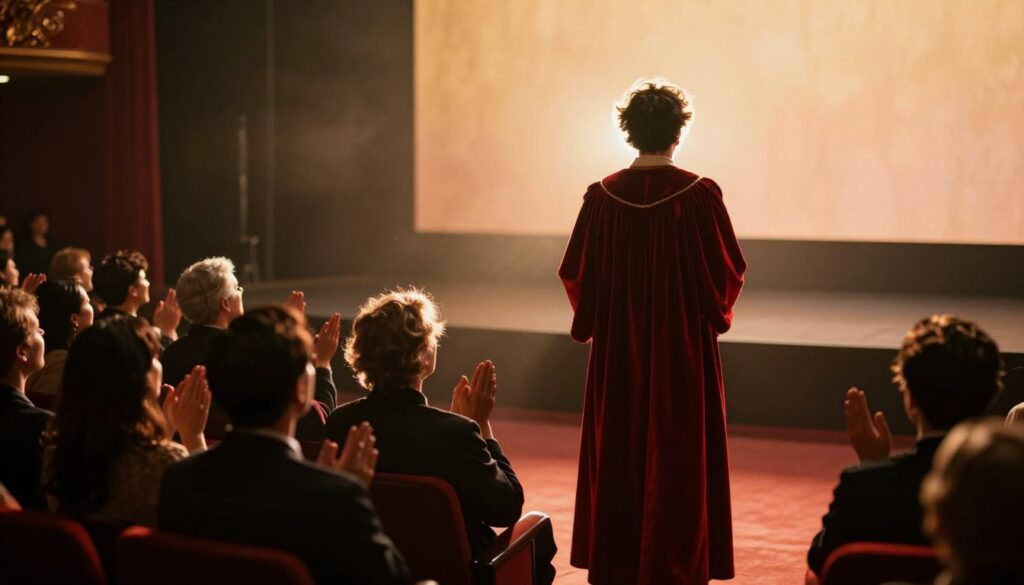
For a brief moment, the theatre stopped feeling like a performance venue and became something far more personal. The audience rose to its feet. Cheers echoed through the stalls. Phones appeared instantly. But unlike a carefully staged royal event, this reaction felt raw and genuine.
People weren’t applauding protocol. They were responding to surprise, warmth, and authenticity.
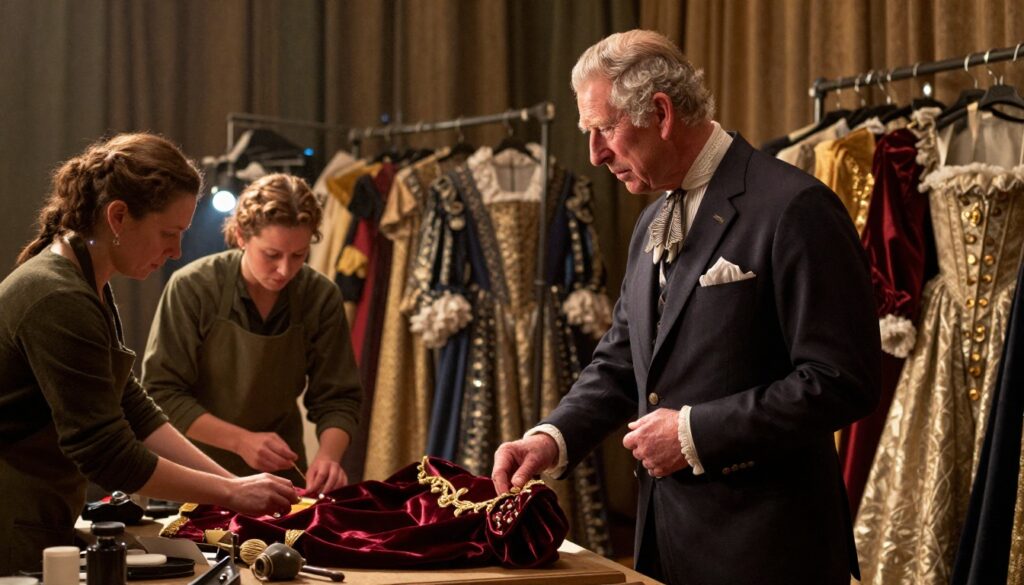
Table of Contents
The Visit That No One Saw Coming
The energy inside the theatre shifted the moment the King Charles Surprise Shakespeare Appearance became clear to the audience.
Buckingham Palace later called it a private engagement. That’s code for no press, no broadcasters, no press release. For the RSC, it was something rarer: a patron actually coming to watch the work, not just chat through a reception.
He sat between co-artistic directors Daniel Evans and Tamara Harvey. When the audience realised who had slipped into the row, phones went up everywhere. A monarch’s arrival normally triggers a muted sort of protocol, but this was the stalls, and people cheered because they wanted to, not because a stage manager cued them. That’s the difference.
People cheer the idea of a King; they stood for this King because he’d bothered to show up at a sold-out production of The Tempest on a wet Friday, no cameras, no fuss. The gesture matters more than any official tour.
Costumes and Conversation Behind the Scenes at Stratford
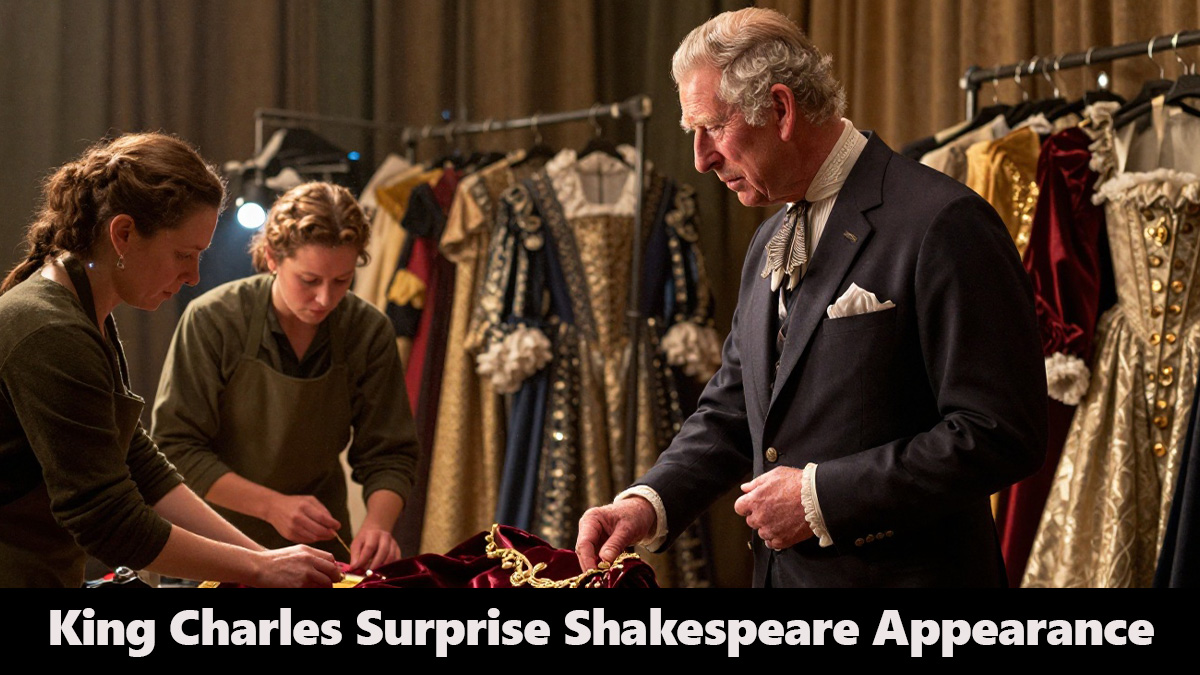
And the costumes. He was led at the interval into a room where racks had been pulled from the company’s archive.
He examined a gown Judi Dench last wore on that stage in 2003 and David Tennant’s heavy robe from “Richard II” — the kind of artifacts that would make a theatre nerd’s pulse quicken. Charles stopped at a replica crown and called the whole display “brilliant,” then spent several minutes with Alistair McArthur, the head of costume, and Emily Keifer, the head cutter.
He wanted to know how they get fabric to drape just so, how many hours go into the hand-stitching. That’s not a monarch performing interest; it’s the way he’s talked to artists for decades.
The RSC connection isn’t ornamental. It’s a thread that runs from his youth, when he’d show up to rehearsals and argue text interpretations with directors.
Kenneth Branagh’s Return Marks a Historic Shakespeare Night
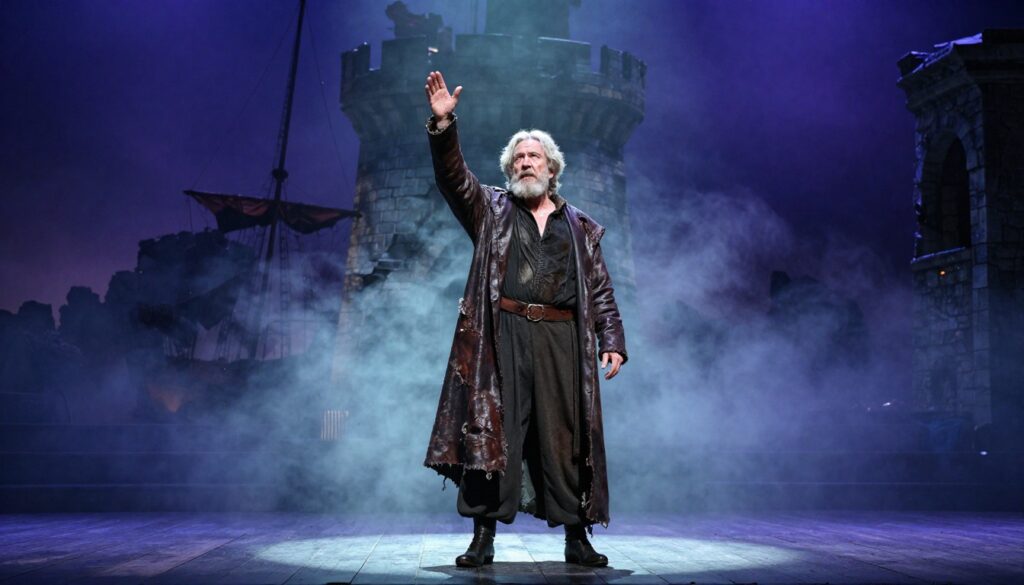
For Kenneth Branagh, this was a milestone: his first Shakespeare performance at Stratford in more than 30 years, playing Prospero under Richard Eyre’s direction.
Eyre, for his part, was making his debut with the company after a career on British stages. So the evening already carried weight before the King walked in.The King Charles Surprise Shakespeare Appearance added unexpected emotional depth to an already historic performance.
Having the monarch there — the same King who became the RSC’s patron in 2024, formalising a bond that goes back to those rehearsal-room arguments decades ago — turned a landmark production into something smaller and more personal. Branagh’s Prospero spoke lines that night about power, exile, and letting go. You can imagine why Charles, after a year of his own retreats, might listen differently to speeches about sea changes and brave new worlds.
From Belfast to Stratford: A Royal Journey of Contrast
Only days earlier, he’d been tapping a bodhrán in a Belfast community centre while Queen Camilla watched. The Northern Ireland trip was packed with whistle-stop engagements and a whiskey tasting.
Then, without much pause, he pivoted from drum rhythms to iambic pentameter. That back-to-back schedule — Belfast one day, Stratford the next — tells you something about his stamina and, more to the point, about what restores him.
Few could have predicted the King Charles Surprise Shakespeare Appearance would follow such a packed royal schedule.
He can do the handshakes and the state dinners, but you get the sense he’s happiest in a dark theatre, with a play he’s studied since adolescence. Camilla stayed home.
She’s called his love of Shakespeare one of his most endearing traits; she likely knew exactly where he’d gone.
Why This Visit Meant More Than Royal Protocol
There’s a reason this story spread so quickly across Britain.
At first glance, it was simply a royal attending a play. But culturally, it represented something larger.
Britain’s monarchy and theatre tradition have always been connected. Shakespeare’s works explored kingship, leadership, public pressure, and personal identity centuries before modern royalty existed.
Seeing a modern monarch quietly sit among ordinary theatre-goers created a striking image.
It reminded people that cultural institutions still matter.
The King Charles Surprise Shakespeare Appearance also reinforced the importance of supporting live theatre at a time when many arts organizations continue facing financial and audience challenges.
When influential public figures visibly support the arts without turning the moment into publicity, it sends a powerful message.
It tells audiences that culture still deserves attention, investment, and respect.
The Quiet Exit That Said Everything
Perhaps the most revealing detail of the evening came at the end.
Reports suggest the King left before the final curtain call. The reason was simple: he reportedly did not want to distract from the cast’s moment.
That quiet departure perfectly captured the tone of the entire night.
No dramatic speeches. No media spectacle. No attempt to dominate attention.
Just a man who loves Shakespeare attending a performance he deeply appreciated.
And strangely enough, that restraint made the entire moment more powerful.
When Prospero delivered the famous closing lines — “Our revels now are ended” — the atmosphere inside the theatre reportedly felt unusually emotional.
Rain tapped softly outside. The audience sat in reflective silence.
For one evening, the monarchy and the theatre seemed to meet naturally in the same emotional space.