Prince Andrew Arrest 2026: 5 Shocking Fallout Facts
Prince Andrew Arrest 2026 has sent shockwaves through the British monarchy, politics, and global media. What began as another chapter in the long-running Epstein-related controversy has now escalated into something far more serious—a formal arrest that is forcing institutions to confront uncomfortable questions they’ve avoided for years.
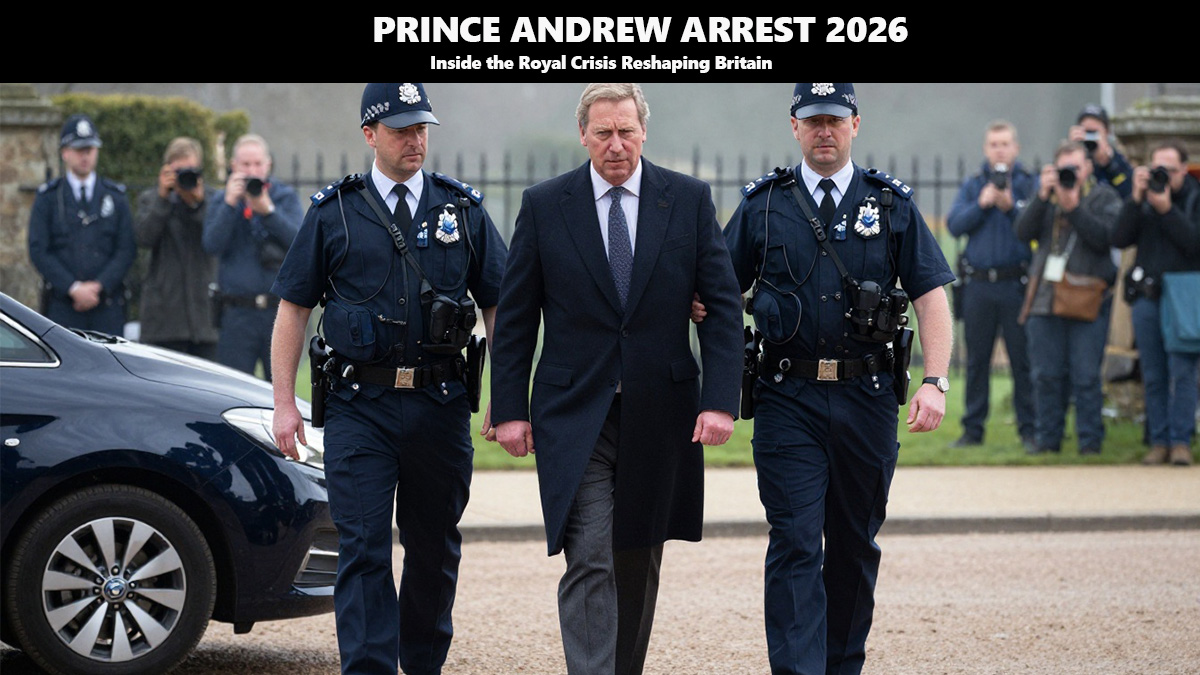
The moment Andrew Mountbatten-Windsor was detained at his Norfolk residence on his 66th birthday, the story stopped being just a scandal. It became a constitutional conversation. It became about accountability, privilege, and whether modern monarchy can survive modern scrutiny.
In this article, we break down the 5 most critical fallouts of Prince Andrew Arrest 2026, what it means for the Royal Family, and why the ripple effects may last far beyond this single case.
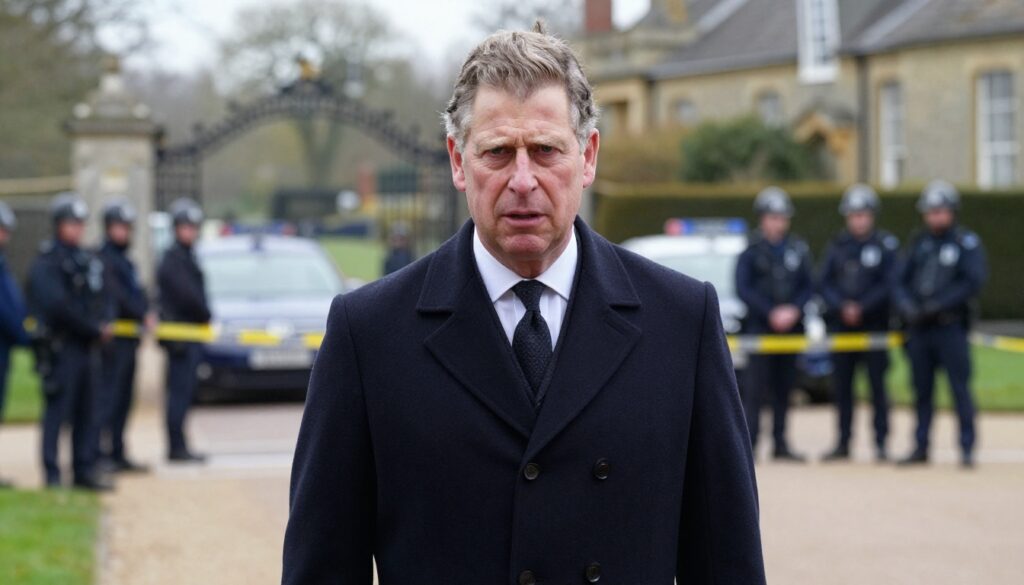
Table of Contents
Prince Andrew Arrest 2026: What Really Happened
Thames Valley Police had been building a case for months. They knocked on the door of Royal Lodge on Andrew’s birthday, a detail the tabloids couldn’t resist but that also underlined the collapse of his royal protection.
The real trigger was a release of documents by the US Department of Justice detailing Andrew’s work as Britain’s trade envoy from 2001 to 2011. Investigators allege he exploited that role to share confidential information with Epstein.
In a statement, Assistant Chief Constable Oliver Wright confirmed that a man in his sixties from Norfolk was arrested and released under investigation the same day. Police also searched two properties, and they are now examining reports that a woman was taken to a Windsor address in 2010 for sexual purposes, a line of enquiry that could escalate the case into something even graver.
Already stripped of his HRH and military titles by King Charles in October 2025, Andrew had been forced to surrender his gun licence within days of the arrest and vacate Royal Lodge.
The old Epstein investigation had turned him into a pariah; the arrest merely confirmed what everybody already knew: Andrew Mountbatten-Windsor, a private citizen, facing the law like any other suspect.
Prince Andrew Arrest 2026 and Buckingham Palace Reaction
Seven words. That’s all Buckingham Palace has offered: “The law must take its course.” Charles understands distance is his only shield. He hasn’t acknowledged his brother’s plight. He hasn’t visited.
Courtiers say the King is anguished but resolved, that grief for a sibling cannot override the constitutional imperative. The contrast with the late Queen’s quiet, often conspicuously silent support of Andrew is stark.
For Charles, this crisis is an early test of his reign’s motto: service above self, even when the self shares your blood.
The silence from Clarence House has been just as pointed. The next generation will not be drawn into the mire.
Prince Andrew Arrest 2026: Legal Future and Risks
What was once a fringe parliamentary debate is now a cross-party clamour. Labour and Conservative MPs are tabling amendments to the Regency Act, demanding Andrew be formally removed from the line of succession.
The idea that a man under active police investigation could theoretically accede to the Crown is, as one backbencher put it, “an absurdity that Parliament must correct.”
The Government has resisted, wary of opening a constitutional Pandora’s box, but backbench rebellions are brewing.
The Andrew scandal has made the status quo politically untenable for many, even if the odds of him ever reaching the throne are vanishingly small.
The monarchy prides itself on stability. Right now it looks anything but stable.
Removing a Royal: Why It’s Complicated
Stripping someone of succession rights isn’t an administrative tweak. The last time Parliament intervened so directly was in 1936, when Edward VIII’s abdication required legislation across the Commonwealth realms.
Removing Andrew would likely need similar cross-Commonwealth consensus, a process fraught with political peril in nations already questioning their ties to the Crown.
Professor Vernon Bogdanor, the constitutional historian, has said any change would “touch the very nerve of the monarchy’s relationship with the State.”
The Epstein investigation forces a reckoning: can the House of Windsor modernise quickly enough to protect itself, or is its ancient machinery too slow to prevent the damage? The arrest has become an institutional turning point. Even the most cautious Palace advisers can’t ignore it.
Public Reaction to Prince Andrew Arrest 2026
Public response has been intense but predictable: outrage, fascination, and fatigue all at once.
For years, Andrew’s association with Epstein has been a subject of global scrutiny. The arrest has now shifted public sentiment from speculation to expectation—expectation of accountability.
Media pressure intensifies
British and international media outlets have maintained near-continuous coverage. The story’s persistence shows no signs of fading, especially as new investigative angles emerge.
In many ways, Prince Andrew Arrest 2026 has become more than a news event—it is a long-running narrative about privilege and consequence.
Family Impact Behind Closed Doors
Behind the formal statements and legal language lies a quieter reality: a deeply strained family dynamic.
King Charles is said to be maintaining strict constitutional distance. Prince William has remained focused on duties and public engagements, avoiding commentary entirely.
Emotional toll on the family
Even without public statements, the emotional weight of Prince Andrew Arrest 2026 is evident:
- Limited or no direct family contact
- Careful public appearances avoiding the topic
- Increased pressure on future monarchy planning
The Royal Family’s challenge is balancing personal relationships with institutional survival.
Prince Andrew Arrest 2026: What Happens Next?
The coming months will determine whether Prince Andrew Arrest 2026 becomes a short-lived legal episode or a defining constitutional crisis.
Key developments to watch:
- Police investigation updates
- Potential CPS charging decision
- Parliamentary debate on succession law
- Further media revelations
Each step will shape public perception and institutional response.