Louise Arbour Governor General: Why This Appointment Matters
Louise Arbour Governor General is a phrase Canadians are likely to hear much more often in the coming years. While many people pay little attention to the office of Governor General, this appointment carries significant constitutional importance. Louise Arbour Governor General is a phrase Canadians are likely to hear much more often in the coming years
As Louise Arbour Governor General prepares to assume office, Canadians are paying closer attention to a constitutional role that often operates behind the scenes.
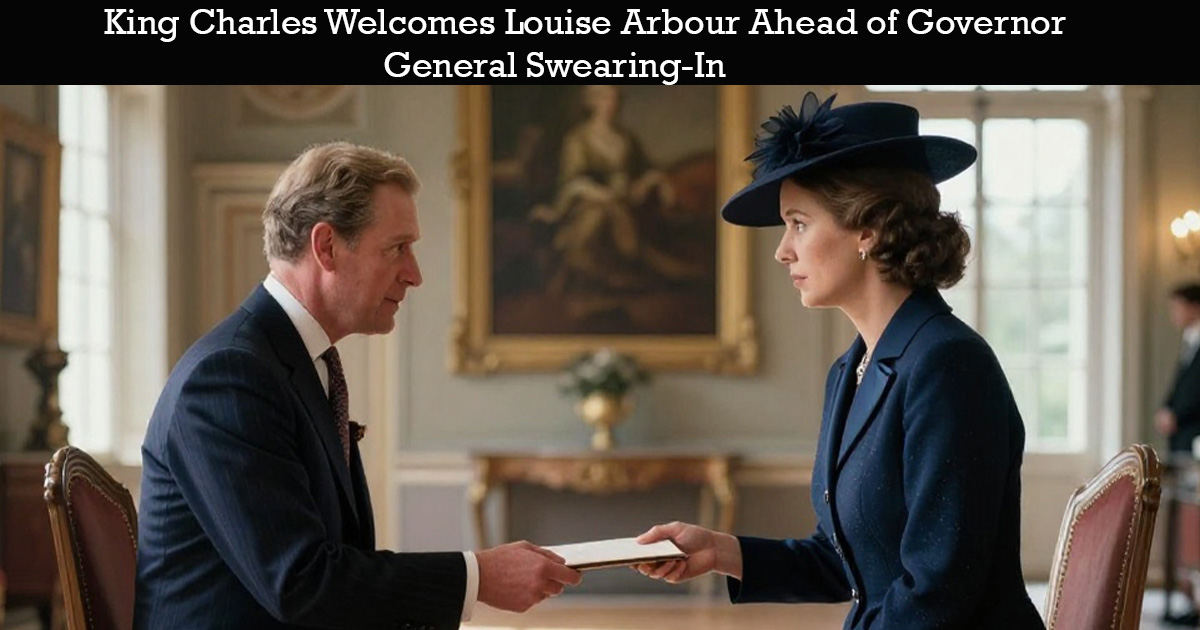
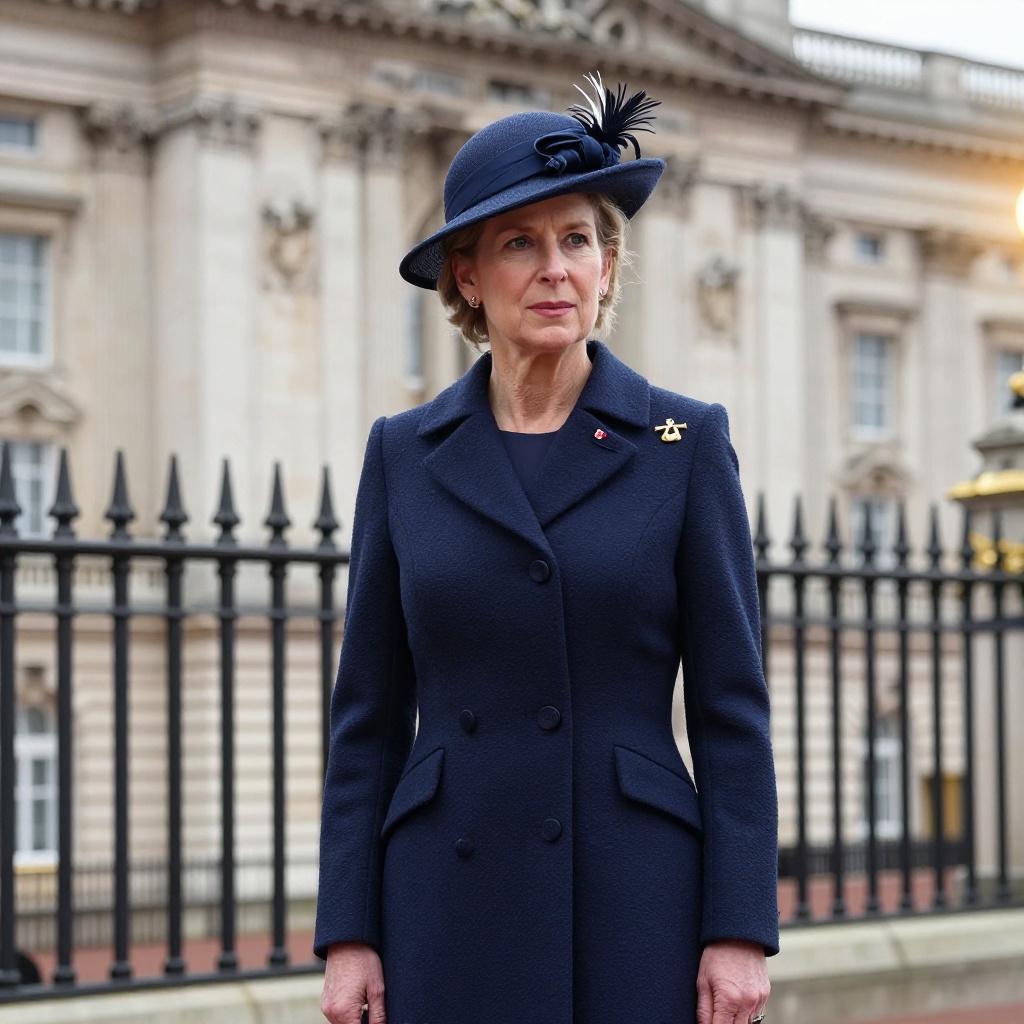
On a symbolic and historic visit to Buckingham Palace, Louise Arbour met King Charles III ahead of her official swearing-in as Canada’s 31st Governor General. The meeting represented far more than ceremony. It marked the beginning of a new chapter for one of Canada’s most influential constitutional offices.
What makes this appointment particularly notable is Arbour’s extraordinary career. Unlike many public figures, she has spent decades challenging powerful institutions, defending human rights, and demanding accountability from governments and organizations around the world.
Here are six essential facts every Canadian should know.
Table of Contents
Who Is Louise Arbour?
Before becoming Canada’s next Governor General, Louise Arbour built a remarkable reputation as a lawyer, judge, international prosecutor, and human rights advocate.
Born in Montreal and called to the Quebec Bar in 1971, she rose through the legal profession with determination and excellence. Her career eventually led her to some of the highest legal positions in Canada and on the international stage.
Few public servants arrive at Rideau Hall with a résumé as accomplished as hers.
Fact #1: She Prosecuted a Sitting Head of State
One of the most remarkable achievements in Louise Arbour’s career occurred during her time at The Hague.
As Chief Prosecutor for the International Criminal Tribunals for Rwanda and the former Yugoslavia, she took an unprecedented step. In 1999, she indicted Slobodan Milošević while he was still serving as president.
This decision changed international law forever.
For decades, many leaders believed they were untouchable during wartime. Arbour demonstrated that even heads of state could be held accountable for crimes against humanity.
Her work also helped establish legal precedents regarding genocide, war crimes, and the use of sexual violence as a weapon of war.
Why It Matters
This experience reflects a central theme throughout her career: accountability.
As Louise Arbour Governor General, Canadians can expect someone who understands both the responsibilities and limits of institutional power.
Fact #2: Louise Arbour Built a Distinguished Judicial Career
Long before her international work, Arbour earned respect within Canada’s legal system.
Her judicial journey included service on Ontario’s courts before reaching one of the country’s highest legal positions.
In 1999, she joined the Supreme Court of Canada, where she contributed to decisions that shaped Canadian law and constitutional interpretation.
Her legal expertise spans:
- Constitutional law
- Criminal law
- Human rights law
- International justice
- Public accountability
This extensive background gives her a unique understanding of Canada’s democratic institutions.
A Lifetime of Public Service
Throughout her career, Arbour consistently accepted difficult assignments involving complex public issues.
Rather than avoiding controversy, she often stepped into situations where reform was urgently needed.
That pattern continues to define her public image today. The appointment of Louise Arbour Governor General brings decades of legal expertise directly into one of Canada’s most important constitutional offices.
Fact #3: The Governor General Role Is More Powerful Than Most Canadians Realize
Many people mistakenly view the Governor General as a purely ceremonial figure.
The reality is much different.
The office serves as the representative of the Crown in Canada and plays a critical constitutional role.
Key responsibilities include:
- Summoning Parliament
- Dissolving Parliament when appropriate
- Delivering the Speech from the Throne
- Granting Royal Assent to legislation
- Serving as Commander-in-Chief of the Canadian Armed Forces
- Upholding constitutional stability
The Reserve Powers
One of the least understood aspects of the position involves reserve powers.
In extraordinary circumstances, a Governor General can:
- Refuse a request to dissolve Parliament
- Ensure constitutional continuity
- Protect democratic legitimacy
- Act during periods of political uncertainty
These powers are rarely used, but they exist for important reasons.
As Louise Arbour Governor General, she will become the guardian of constitutional principles that underpin Canadian democracy. The role becomes especially significant now that Louise Arbour Governor General will serve as the Crown’s representative during a complex political era.
Fact #4: King Charles III Personally Welcomed Her at Buckingham Palace
A major milestone occurred when Arbour met King Charles III at Buckingham Palace before officially assuming office.
The audience represented an important constitutional tradition.
As Canada’s monarch, King Charles formally recognizes the individual who will serve as his representative in Canada.
Photographs from the event showed Arbour appearing confident and comfortable in her new role.
Following the audience, she received significant honours connected to her future responsibilities as Commander-in-Chief.
These honours were more than symbolic decorations. They reflected the close relationship between the Governor General’s office and Canada’s military institutions.
A Historic Moment
The meeting demonstrated continuity within Canada’s constitutional monarchy while introducing a new leader into one of the country’s most important public roles.
For constitutional observers, it was a meaningful transition of authority.
Fact #5: She Inherits a Historic Legacy from Mary Simon
Every Governor General leaves a unique mark on the office.
Mary Simon’s tenure was particularly significant because she became Canada’s first Indigenous Governor General.
Her leadership emphasized:
- Reconciliation
- Indigenous rights
- Northern communities
- Mental health awareness
- National unity
Simon helped reshape public expectations of what a Governor General can accomplish.
Rather than focusing solely on ceremonial duties, she used the office to elevate important national conversations.
Many observers believe Louise Arbour Governor General will bring a different but equally influential leadership style to Rideau Hall.
Building on That Foundation
Louise Arbour Governor General now inherits an office transformed by Simon’s leadership.
While their backgrounds differ greatly, both women share a commitment to public service and institutional responsibility.
The challenge for Arbour will be defining her own legacy while building upon the progress already achieved.
Fact #6: Her Leadership Could Shape Canada’s Constitutional Future
Canada’s political landscape remains increasingly complex.
Minority governments, growing public skepticism, and concerns about institutional trust continue to influence national politics.
In this environment, the Governor General’s role becomes especially important.
Arbour’s career suggests she understands how institutions succeed—and how they fail.
The experience Louise Arbour Governor General gained through decades of public service may prove valuable during future constitutional challenges.
She has investigated prisons, international organizations, and military structures. Each assignment required balancing accountability with practical reform.
Why Canadians Should Pay Attention
The Governor General rarely dominates headlines.
However, constitutional offices often become most important during moments of uncertainty.
If Canada faces political challenges in the years ahead, Arbour’s judgment and constitutional expertise could prove invaluable.
Her appointment places one of the country’s most experienced legal minds at the centre of Canada’s constitutional framework.

What Louise Arbour’s Appointment Means for Canada
The significance of this appointment extends beyond ceremony.
Arbour brings:
- Extensive legal expertise
- International credibility
- Human rights leadership
- Constitutional knowledge
- A strong record of accountability
These qualities align closely with the modern expectations Canadians increasingly place on public institutions.
At a time when trust in institutions faces challenges worldwide, her experience may help strengthen confidence in democratic governance.
Perhaps most importantly, she enters office with a reputation built on principle rather than partisanship.
That distinction matters.
The Governor General’s effectiveness depends largely on public confidence in their independence and integrity.