Brazil Takes Center Stage in Prince William’s Global Mission
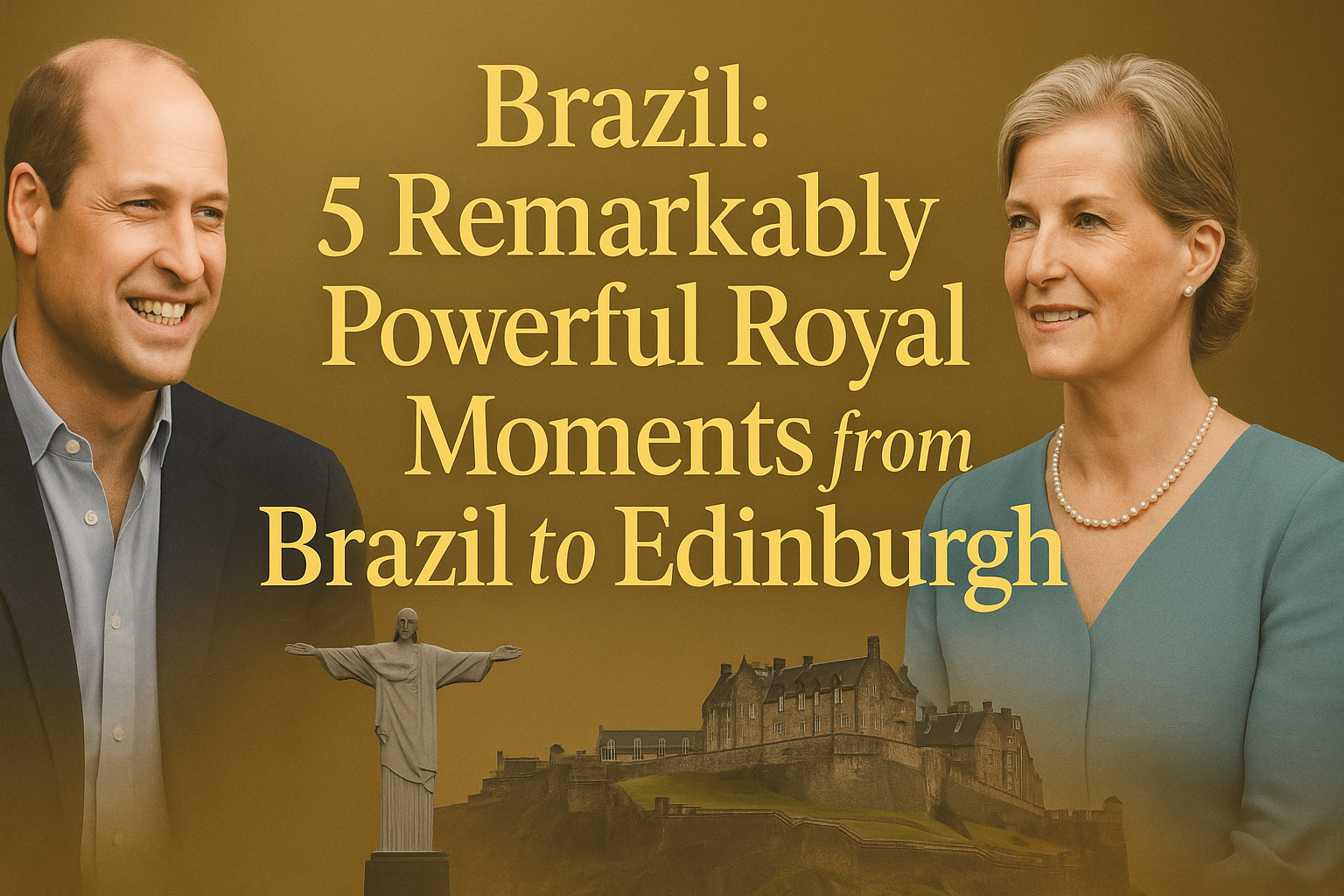
Brazil shines as Prince William’s royal tour delivers 5 remarkably powerful moments — from heartfelt speeches to dazzling diplomacy across continents.
A Modern Royal Story Across Continents
Brazil has once again taken center stage, this time through the lens of the British monarchy. Prince William’s recent visit to Brazil captured global attention, symbolizing not just diplomatic engagement but the transformation of royal influence in the modern world. As heir to the throne, William’s role extends far beyond tradition; it now embodies purpose, global connection, and genuine compassion. Meanwhile, in Edinburgh, Sophie, Duchess of Edinburgh, represented the royal family’s heart and quiet resilience through meaningful domestic engagements.
Together, these moments revealed how the monarchy continues to balance international visibility with local warmth. Brazil’s hosting of the Earthshot Prize initiative marked a milestone. Prince William’s environmental focus, his empathy for communities, and his authentic approach stood out in every encounter. At the same time, Sophie’s public service in Scotland reflected the steady continuity of royal values at home. Across two continents, the royal family delivered a series of moments that were not only remarkably powerful but also profoundly symbolic of a new era of modern monarchy.
Brazil Takes Center Stage in Prince William’s Global Mission
When Prince William arrived in Brazil, optimism surrounded his visit. Crowds gathered at Rio de Janeiro’s Copacabana Beach, where his warm demeanor immediately broke through protocol barriers. The trip aligned with preparations for COP30 and the global conversation about sustainability, positioning Brazil as a vital player in the fight against climate change. Moreover, William’s presence signaled that the British monarchy was stepping into a new phase of international diplomacy—one rooted in environmental responsibility and collaboration rather than ceremony alone.
He began his engagements with a community-led conservation initiative deep in the Amazon basin. There, he met young environmentalists and Indigenous leaders who dedicate their lives to preserving Brazil’s forests. As he planted trees alongside children from local schools, his message was clear: protecting the planet is a shared mission that transcends borders. Furthermore, his tone was both diplomatic and personal, striking a balance that resonated with audiences far beyond South America.
“As guardians of the Earth’s future, we share this responsibility,” William remarked during a speech broadcast across Latin America. His words drew applause, but his demeanor—humble, attentive, and visibly moved by the dedication of those he met —was even more powerful. Consequently, Brazil became the emotional heart of his global initiative, symbolizing action rather than rhetoric.
Observers noted how the visit seamlessly blended symbolism with substance. Rather than adhering strictly to protocol, William immersed himself in the rhythm of local life. He listened rather than lectured, participated rather than posed. As a result, this approach reflected the monarchy’s gradual shift toward authentic representation.
The Power of Symbolism in Rio
Every royal appearance carries layers of meaning, and William’s time in Rio was no exception. His decision to engage through sport—a beach volleyball game at Copacabana—offered a glimpse into the evolving public image of the future king. Instead of standing apart, he played side by side with young athletes, laughing as he served the ball into the humid air. The photos went viral within hours.
Local newspapers described the scene as “a prince among the people,” and with good reason. While such activities may seem simple, they serve as carefully chosen acts of diplomacy. By joining a game rather than observing it, William demonstrated respect for Brazilian culture and its passion for sport. In doing so, he showed that empathy and openness can create stronger international relationships than formality ever could.
In addition, this shift toward informality echoed broader efforts to make the monarchy more relatable. Many young Brazilians who had never followed royal news before began sharing images of the visit online. The reaction was overwhelmingly positive, suggesting that this brand of accessible royalty appeals to a generation seeking authenticity.
Ultimately, the trip reaffirmed Brazil’s importance in shaping global environmental dialogue while redefining how the monarchy interacts with the world. William’s willingness to engage directly, both physically and emotionally, symbolized the transformation of royal diplomacy from observation to participation.
Behind Closed Doors: Diplomacy and Empathy in Brasília
Beyond the symbolic gestures, Prince William’s itinerary in Brazil included a strategic diplomatic meeting with senior officials in Brasília. The discussions focused on renewable energy cooperation and research partnerships under the Earthshot framework. Brazilian Environment Minister Marina Silva commended William’s initiative, noting that “his commitment to the Amazon is more than ceremonial—it reflects a shared moral obligation.”
Moreover, William’s visit came at a politically sensitive time. Brazil’s leadership had been urging the world’s wealthier nations to take greater responsibility for funding the environment. His presence, therefore, was more than just a goodwill gesture; it represented acknowledgment of Brazil’s global importance.
Throughout his stay, William maintained a balance between formal engagements and personal interactions. For instance, he spent an unpublicized afternoon at a local wildlife rehabilitation center, speaking privately with conservationists who nurse injured rainforest animals back to health. The footage released later by Kensington Palace showed him kneeling beside a rescued sloth, gently stroking its fur as he listened to the staff explain their work. The video drew millions of views online and reinforced his reputation as a compassionate leader rather than a distant dignitary.
As a result, Brazil became both the setting and symbol of the monarchy’s renewed purpose: environmental action rooted in empathy. While past royal tours often emphasized ceremony, this one revolved around human connection and collective progress. By aligning royal prestige with environmental urgency, William subtly shifted how the world perceives the monarchy’s global value.
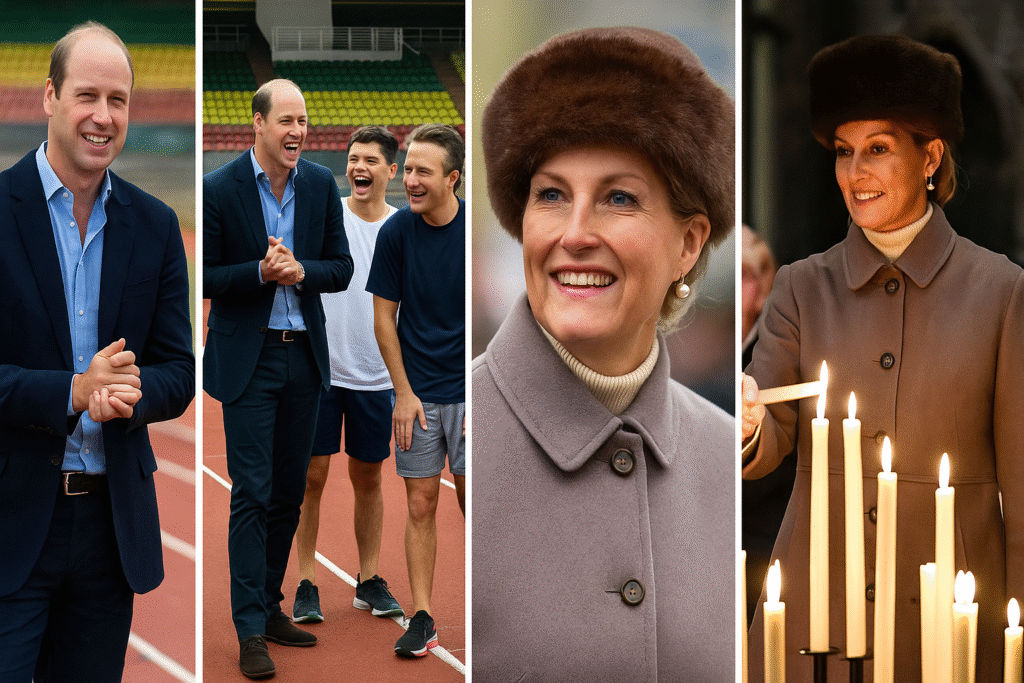
Royal Warmth in Brazil: A Tour Filled with Emotion and Purpose
The second phase of Prince William’s Brazil journey unfolded in São Paulo, where he met entrepreneurs developing renewable energy solutions and sustainable farming systems. Each encounter underscored his deep commitment to innovation and collaboration. Furthermore, it showed how the monarchy’s reach now extends into practical problem-solving rather than ceremonial advocacy.
In one memorable visit, he toured a solar energy facility run by a collective of young engineers. Their technology aimed to bring electricity to rural communities affected by deforestation. William listened carefully to their experiences, nodding thoughtfully as they explained the social impact of their work. The conversations were genuine and unhurried, leaving participants with the impression that the prince truly valued their insights.
Later that evening, he attended a forum of environmental leaders, where he delivered one of the most heartfelt speeches of his royal career. “Brazil’s courage in protecting what sustains all life inspires us,” he declared, his voice carrying both gratitude and urgency. “If we act together, we can ensure that our children inherit not despair but hope.” The hall erupted in applause.
Moreover, his words had an immediate ripple effect across social media and global news outlets. Brazilian commentators described the moment as a turning point in the monarchy’s image abroad. In contrast to the stiff formality of earlier eras, William’s speech radiated authenticity. His conviction made the audience feel they were witnessing leadership at its purest.
As a result, the trip became more than an official duty—it turned into a shared story between Brazil and the United Kingdom. It proved that genuine empathy can accomplish what formal diplomacy often cannot: trust.
Inspiring Youth Voices and Inclusive Dialogue
Another crucial aspect of the Brazil tour was William’s deliberate inclusion of youth voices in decision-making conversations. During a roundtable with university students in São Paulo, he listened to concerns about job insecurity, education inequality, and the climate crisis. He responded candidly, acknowledging that privilege demands accountability. “I influence because of where I was born,” he said, “but it’s my responsibility to use that influence for others who don’t.”
This transparency surprised many attendees. It marked a shift from the carefully polished image of past royal engagements to one that feels relatable and human. Brazilian youth activists described him as “humble, but serious about action.”
Furthermore, William’s acknowledgment of systemic inequality added depth to the Earthshot narrative. Rather than promoting one-sided Western solutions, he emphasized shared innovation and mutual respect. Consequently, the Brazil tour stood out not only as a media success but also as a model of inclusive diplomacy.
In addition, royal observers noted that the emphasis on youth mirrors global efforts to ensure long-term sustainability. The monarchy’s investment in dialogue with new generations suggests a conscious attempt to remain relevant as public values evolve.
From Brazil to Edinburgh: How the Royals United Two Worlds
While Prince William strengthened global ties abroad, Sophie, Duchess of Edinburgh, embodied the Crown’s continuity at home. Her engagement at Edinburgh Castle represented a quieter but equally significant chapter in the royal calendar. Through her patronage of the Defense Medical Welfare Service, she celebrated the compassion and dedication of military healthcare workers across the UK.
At the reception, Sophie moved gracefully from one conversation to another, showing interest in every story. Nurses, doctors, and volunteers later said that her empathy felt sincere. Moreover, her presence reminded them that their service did not go unnoticed.
In a brief speech, the Duchess praised the “unseen heroes of recovery,” emphasizing that the strength of any nation lies not only in its armed forces but also in those who heal them. Her words resonated deeply with attendees, and the event earned coverage in British media for its heartfelt tone rather than pomp.
Although geographically distant, Sophie’s work in Edinburgh complemented William’s mission in Brazil. Both engagements highlighted service, empathy, and renewal—core principles guiding the monarchy’s public presence. Together, they demonstrated that while one royal represented progress abroad, another ensured compassion remained at home.
The Steady Grace of the Duchess
As media coverage of Prince William’s activities dominated international headlines, Sophie’s steady service in Edinburgh reminded Britons that the Crown’s influence begins at home. The Duchess attended several lesser-known events throughout her week, including a hospital visit to mark the expansion of a veterans’ mental health unit. There, she spoke openly about the psychological impact of post-deployment isolation and the importance of early intervention.
Her empathy was palpable. One nurse who met her said, “She doesn’t rush you. She listens as if your story is the only thing that matters in that moment.” That ability to make individuals feel valued has become Sophie’s signature quality.
Furthermore, Sophie’s engagements often bridge social gaps between military families and civilian communities. Through charity partnerships, she has helped launch counseling programs that assist veterans as they reintegrate into everyday life. These efforts may not attract global headlines, but they create real-world change.
While Prince William’s speeches in Brazil carried global weight, Sophie’s conversations in Edinburgh demonstrated that leadership also thrives in quiet consistency. Together, their approaches form a balanced equation of visibility and humility. This complementary style ensures the monarchy connects with audiences of every generation, reinforcing both credibility and compassion.
The Human Face of the Crown
Observers often note that Sophie’s style differs from the flashier aspects of royal life. Instead of grandeur, she favors quiet engagement. Indeed, her calm approach has become essential to the monarchy’s modern identity. By choosing authenticity over spectacle, she helps maintain a sense of grounded integrity.
During her visit to Edinburgh Castle, she spent extended time speaking privately with veterans and medical staff, listening more than she said. Consequently, participants described the experience as uplifting. They felt valued —not as part of a photo opportunity, but as individuals with stories worth hearing.
This approach mirrors the broader transformation of royal communication. In an era defined by instant social media impressions, patience and attentiveness have become rare virtues. Yet Sophie’s demeanor demonstrated that the most powerful gestures often come from quiet sincerity.
Furthermore, her example reinforced the monarchy’s dual purpose. While William projects the royal image outward to the world, Sophie strengthens it from within. Their complementary roles form a cohesive narrative of progress balanced by empathy.
Heartfelt Connections: The Emotional Side of Royal Duty
Across continents, emotion served as the binding thread of royal engagements. Prince William’s natural warmth during his time in Brazil reminded the public of Princess Diana’s enduring influence. His candid laughter with schoolchildren, his gestures of humility, and his comfort with informal settings reflected the emotional intelligence that has become his hallmark.
Moreover, local media noted that his interactions differed from those during earlier royal tours. Instead of maintaining a visible distance, he joined conversations, hugged children, and participated in community rituals. These actions spoke louder than prepared remarks ever could.
In Edinburgh, Sophie mirrored that exact emotional authenticity in a different form. Her poise in conversation, coupled with her gentle humor, eased tension among veterans still recovering from trauma. “Her warmth fills the room,” one attendee commented afterward. Such moments highlight how emotion, when grounded in empathy, strengthens the monarchy’s bond with the public.
The royal family, therefore, appears to be embracing a new form of connection—what analysts call “emotional diplomacy.” By communicating through kindness and genuine concern, royals like William and Sophie transform formal duty into a human experience.
A New Era of Emotional Diplomacy
Modern royal influence no longer rests on authority but on relatability. In this sense, both Brazil and Edinburgh showcased the monarchy’s capacity to evolve with societal expectations. Prince William’s open, approachable demeanor made him a relatable figure for younger generations, while Sophie’s compassion anchored the institution in timeless values.
In addition, these engagements highlighted a broader trend: emotional intelligence as a tool of leadership. William’s compassion for Brazil’s climate-impacted families was not mere empathy; it was strategic empathy—a way to forge genuine international cooperation. Similarly, Sophie’s attentiveness in Edinburgh strengthened morale among those who serve quietly behind the scenes.
Ultimately, the combination of sincerity and strategic awareness defines the monarchy’s relevance today. Rather than performing emotion, the royal family now practices it authentically. As a result, their influence feels less inherited and more earned.
Earned Influence and Transparent Leadership
The idea of “earned influence” captures a wider transformation across institutions worldwide. In previous decades, royal families relied on inherited reverence; today, legitimacy is tied to service and transparency. Prince William’s and Duchess Sophie’s recent engagements, therefore, serve as a litmus test for how the monarchy adapts to the expectations of an increasingly skeptical public.
In Brazil, transparency meant allowing unfiltered media access to royal activities. Journalists were invited to record candid interactions rather than staged moments, signaling confidence in the mission’s authenticity. In Edinburgh, transparency took a different form—an open discussion about the emotional toll of service life. These small shifts reflect an understanding that credibility grows when leaders are seen as participants rather than figureheads.
Moreover, the blend of emotional diplomacy and visible accountability points toward the monarchy’s future direction. By embracing vulnerability and humility, today’s royals are redefining strength. It is no longer about grandeur; it is about connection.
Indeed, William’s straightforward sincerity during interviews in Brazil—where he occasionally used Portuguese phrases taught by local volunteers—symbolized his intent to genuinely bridge cultures. Meanwhile, Sophie’s quiet confidence continues to resonate with everyday citizens who value substance over spectacle.
Brazil’s Lasting Impact on the Royal Family’s Global Image
As Prince William’s Brazil visit concluded, the consensus among commentators was clear: the tour had successfully reshaped the monarchy’s international reputation. By focusing on climate, youth, and collaboration, William positioned himself as a statesman for the modern age.
Brazil, in turn, gained recognition as a vital partner in global sustainability. Government officials publicly praised William’s dedication, noting that his Earthshot initiative aligned perfectly with Brazil’s environmental priorities. Moreover, the trip fostered goodwill at a time when global unity on ecological issues remains fragile.
Photographs of William surrounded by young conservationists became defining images of the tour. They symbolized a new partnership between royalty and civil society—one that values action over hierarchy. The emotional resonance of these moments lingered long after the delegation departed.
For the royal household, this visit marked a turning point. It showed that the family’s future influence depends on meaningful participation in issues that matter to ordinary people. Consequently, the monarchy is gradually transforming from a symbol of heritage into a partner in progress.
Edinburgh’s Echo and the Message of Continuity
While global audiences focused on Brazil, Sophie’s consistent work in Edinburgh ensured the monarchy’s domestic presence remained steady. The contrast between tropical landscapes and the solemn stone of Edinburgh Castle illustrated the range of royal responsibility—from the global to the local, from the diplomatic to the personal.
Her event with the Defense Medical Welfare Service was more than ceremonial; it represented the emotional foundation of royal service. By acknowledging the resilience of caregivers and veterans alike, she reinforced a message of continuity amid global change.
Moreover, her actions echoed the Queen’s legacy of quiet devotion. Just as William carries forward his mother’s empathy, Sophie upholds the late monarch’s steadiness. Together, these parallel efforts create a living bridge between past and future.
Indeed, the royal family’s strength lies not only in adaptation but also in balance. Through Brazil’s energetic optimism and Edinburgh’s calm dignity, the Windsors reminded the world that duty and compassion remain timeless.
The Modern Monarchy Across Continents
From Brazil’s vibrant beaches to Scotland’s historic courtyards, the royal family’s recent activities revealed an institution consciously redefining itself for the twenty-first century. Prince William’s leadership during the Brazil tour emphasized vision and global solidarity, while Sophie’s presence in Edinburgh reflected humility and human connection.
Furthermore, these efforts collectively demonstrated that influence today arises not from command but from cooperation. The monarchy’s future will likely depend on how effectively it continues to align royal presence with global purpose.
Ultimately, these five compelling moments proved that the British royal family is capable of both evolution and endurance. By embracing authenticity, the royals have begun to close the gap between tradition and modernity.
Brazil offered a stage for transformation; Edinburgh provided the echo of stability. Together, they captured the dual heartbeat of a monarchy that continues to find relevance through service, empathy, and hope.
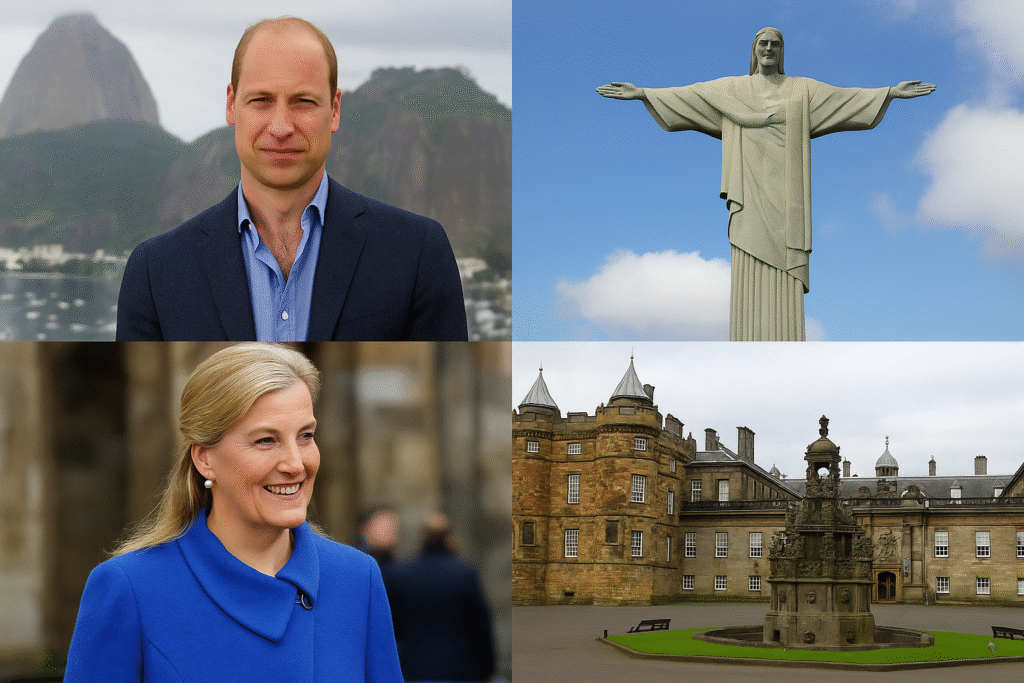
The Broader Legacy of Brazil and Edinburgh
As analysts reflect on these royal engagements, the overarching narrative is one of evolution through empathy. Brazil, with its ecological diversity and social challenges, became an ideal stage for demonstrating that the Crown’s mission extends beyond the UK. William’s ability to connect with scientists, children, and political leaders alike showed that royalty can remain influential without asserting dominance.
At the same time, Edinburgh symbolized resilience—the quiet strength of tradition maintained through personal compassion. Sophie’s grounded approach and consistency provided a reassuring sense of stability amid rapid global change.
The parallel between these two royal figures encapsulates a lesson in balance: outward progress and inward reflection must coexist. For the monarchy, this alignment of global relevance and domestic sincerity is vital to its survival.
Moreover, these events underscore the monarchy’s evolving public contract with the people. Royal service is no longer passive; it demands visibility, accountability, and emotional resonance. Through their actions, both William and Sophie demonstrated that compassion is not weakness but power expressed through understanding.
If Brazil represented the fire of ambition, then Edinburgh embodied the calm of continuity. Together, they shaped a narrative that speaks not just to British citizens but to an international audience increasingly drawn to leadership rooted in authenticity.
In essence, the story of “five compelling royal moments” is less about pageantry and more about purpose. It proves that even in a modern, skeptical world, sincerity and service can still capture hearts.
Prince William’s Surprise Moment in Brazil Is One Princess Charlotte, 10, Will Love Hearing About
“7 Startling Ways Meghan Engineered Her Royal Wedding Drama”