Prince Andrew Battles to Keep His Place in the Royal Family Amid Windsor Drama
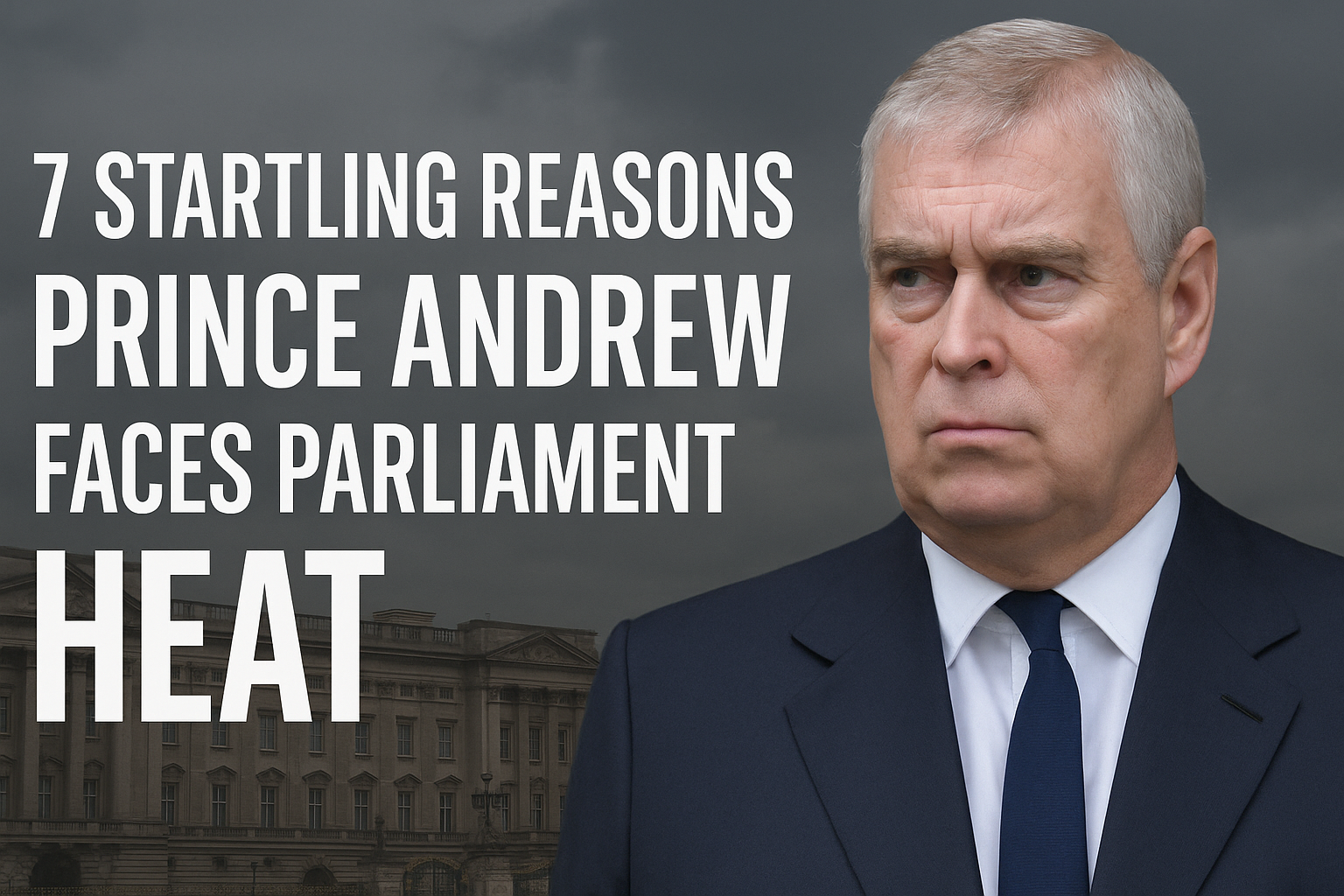
Prince Andrew faces a painful Windsor exit as royal tensions rise and King Charles weighs a decision that could reshape his royal future.
Royal Crisis: Prince Andrew’s Painful Windsor Exit
Inside the Tense Negotiations as Prince Andrew Prepares to Leave Windsor
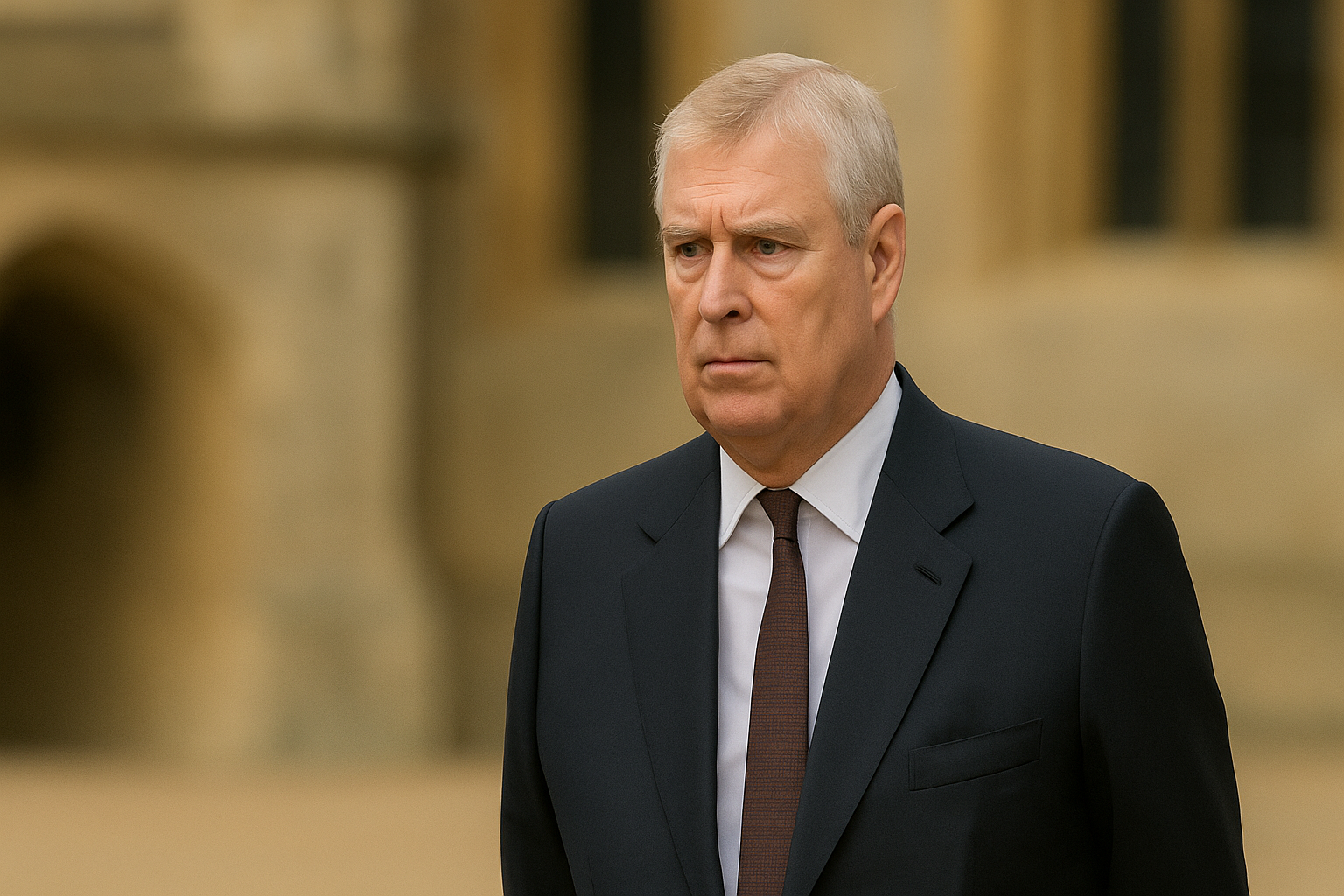
For decades, Prince Andrew called the Royal Lodge in Windsor home.
Now, that chapter may be coming to an end.
According to multiple reports, the Duke of York is in advanced talks with King Charles III about vacating his long-time residence.
What was once a symbol of privilege and stability has become the center of a storm — one that reflects deeper struggles within the modern British monarchy.
A Royal Home Built on Legacy
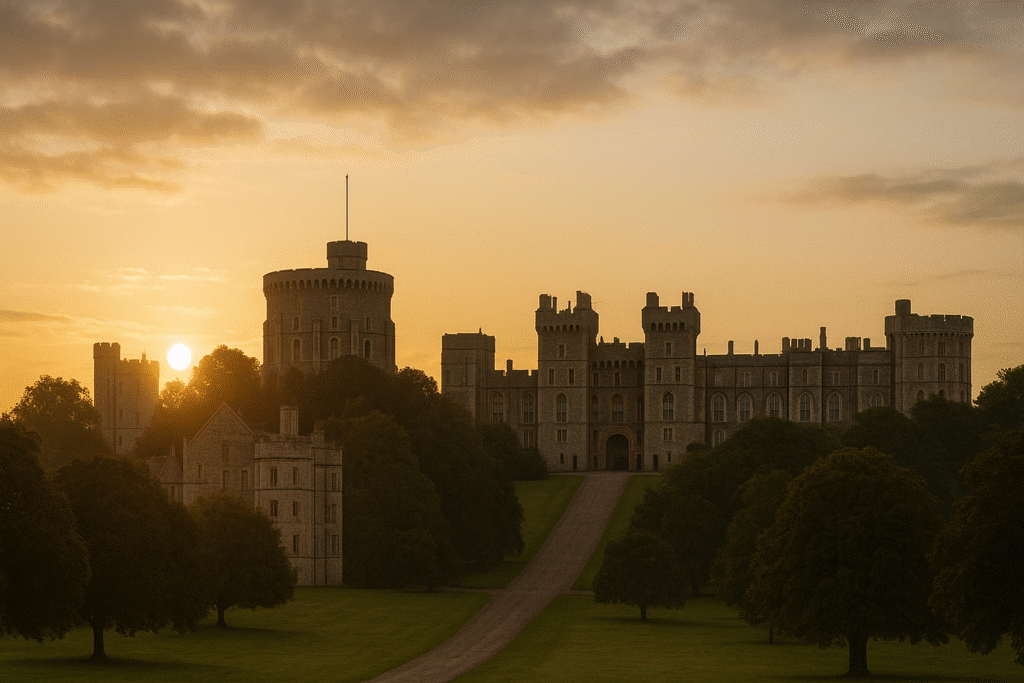
The Royal Lodge, nestled within Windsor Great Park, is no ordinary residence.
It’s a sprawling, 30-room estate filled with history, family memories, and royal tradition.
Queen Elizabeth The Queen Mother lived there until her passing in 2002.
Soon after, Prince Andrew took up residence, signing a 75-year lease with the Crown Estate in 2003.
At the time, it seemed permanent.
He invested millions of pounds in renovations, transforming the property into a private sanctuary for himself and his daughters, Princess Beatrice and Princess Eugenie.
But royal history shows that no arrangement is truly permanent when public scrutiny and palace politics collide.
The Turning Tide Against Prince Andrew
The story of Prince Andrew has changed dramatically since his days as a working royal.
His reputation suffered after his association with Jeffrey Epstein became public in 2019.
Although he denied wrongdoing, the fallout was severe.
In 2022, he was stripped of his royal patronages and military titles.
He stepped back from official duties and largely disappeared from public view.
Now, with King Charles seeking a “slimmed-down monarchy,” the Duke’s position looks even more uncertain.
Palace sources suggest the King wants to reorganize royal housing to reduce costs and modernize operations.
For Prince Andrew, that could mean losing the home that has defined his private life for over two decades.
Behind Closed Doors: The Negotiations Begin
Reports indicate that discussions between Prince Andrew and the King have been ongoing for months.
The two brothers are said to have met several times privately at Balmoral and Windsor to discuss options.
It’s not a simple eviction.
Because of the 75-year lease, the legal process is complex.
Andrew reportedly argues that he has a binding contract, while the Crown Estate operates under King Charles’s broader vision for a “leaner, more accountable” royal household.
According to insiders, Prince Andrew fears being pushed into smaller accommodations, such as Frogmore Cottage, once home to Prince Harry and Meghan Markle.
But he has resisted relocation, citing the money he spent and the privacy Royal Lodge provides.
Public Reaction: Sympathy or Skepticism?
Public opinion remains divided.
A recent Ipsos poll shows that 82 percent of Britons view Prince Andrew unfavorably.
Many believe his continued residence at Royal Lodge is out of step with the times.
Critics argue that taxpayers indirectly support the estate’s maintenance, even if Andrew covers some costs himself.
Yet a portion of the public still views him as a man who has already lost nearly everything — his titles, his reputation, and his place in royal life.
For them, forcing him to leave his home seems harsh, almost cruel.
This emotional divide reflects the British monarchy’s struggle to balance compassion with accountability.
The Symbolism Behind the Windsor Exit
If Prince Andrew does leave Royal Lodge, it won’t just be a change of address.
It will mark the end of a symbolic era.
Royal Lodge is part of Windsor’s inner fabric — a quiet retreat once associated with grace and continuity.
Its loss represents the monarchy’s attempt to move forward while distancing itself from controversy.
In royal culture, space equals status.
Where one lives — Buckingham Palace, Kensington, or Windsor — reflects one’s role and standing.
By moving Prince Andrew out of Royal Lodge, the King would be sending a clear message: the modern monarchy values transparency and renewal over loyalty to the past.
Life Behind the Gates: A Glimpse into Prince Andrew’s Routine
While he no longer performs royal duties, Prince Andrew has maintained a private but steady lifestyle at Windsor.
He often rides horses in the park, attends occasional family events, and sees his daughters frequently.
Friends describe him as “lonely but defiant,” someone who still hopes for quiet rehabilitation.
In recent months, he has hosted small gatherings and worked on charity efforts behind the scenes.
Those close to him say he believes he can one day return to limited public service.
However, the palace remains cautious — fearing that any move to restore him could reignite public anger.
King Charles III’s Balancing Act
For King Charles, this is not just a family matter.
It’s a test of leadership.
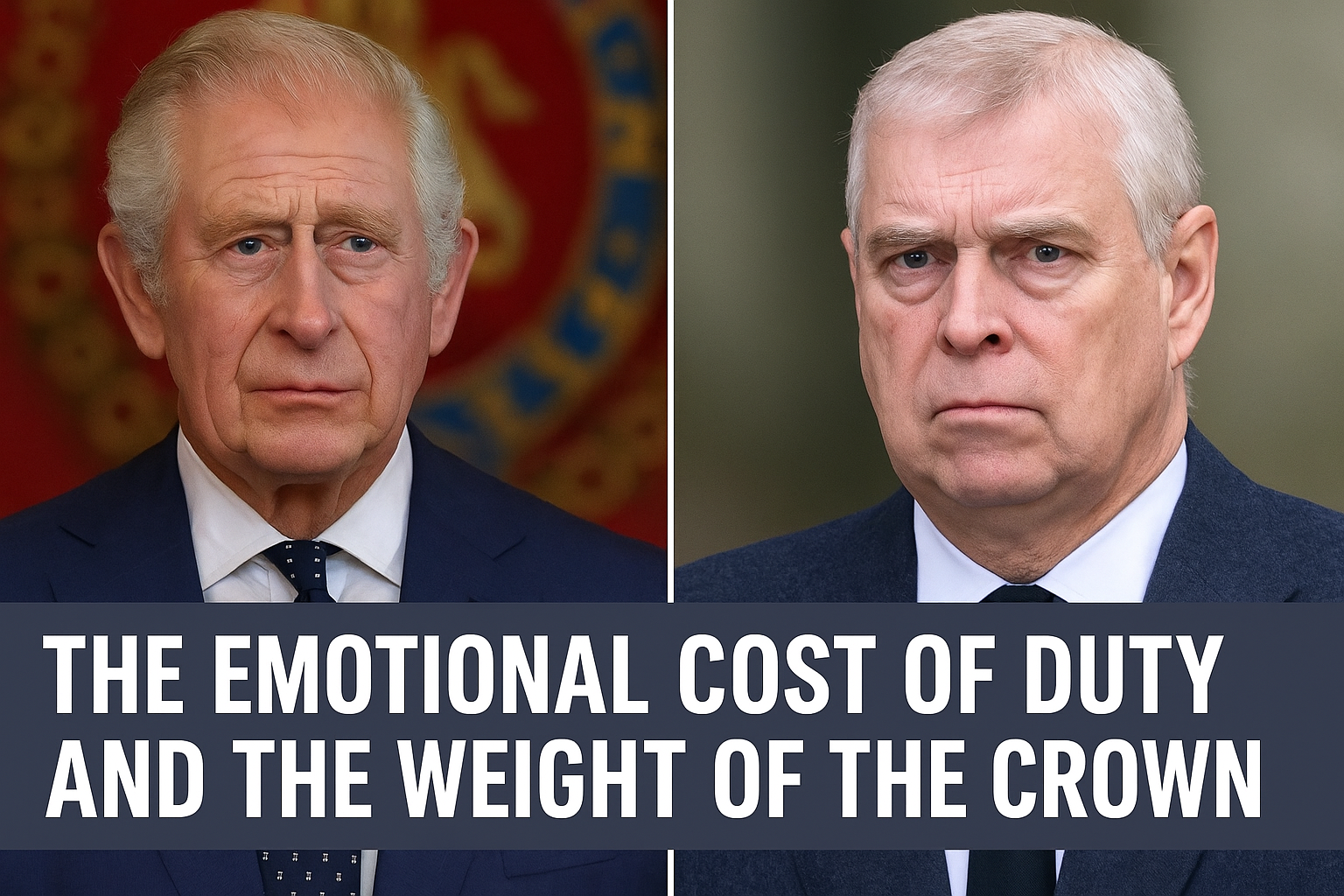
The King must balance compassion for his brother with his responsibility to protect the crown’s reputation.
Sources close to the palace say the monarch is determined to act fairly but firmly.
He has long believed that the monarchy must evolve to survive.
Removing Prince Andrew from Royal Lodge may be seen as painful but necessary — a sign that the institution can hold even its own members accountable.
It also aligns with Charles’s broader plan to streamline royal finances and reallocate properties for official use.
The Emotional Cost of Losing Home
For anyone, losing a home after 20 years would be devastating.
For Prince Andrew, it’s especially emotional.
Royal Lodge is where he raised his daughters, shared holidays with the late Queen, and found solace after public disgrace.
Walking away means leaving behind a part of his identity.
Reports suggest he feels betrayed — that he has kept his end of the lease, maintained the property, and lived quietly.
But emotion rarely outweighs perception in the royal world.
The public sees not a man losing a home, but a prince facing the consequences of privilege.
Beatrice and Eugenie: Daughters Torn Between Loyalty and Change
Princess Beatrice and Princess Eugenie reportedly remain close to their father.
Both have spoken privately about their love for him, while also supporting the royal family’s modernization.
They are navigating an emotional tightrope — loyal daughters but also working mothers, aware of how public opinion shapes their family’s future.
If Prince Andrew leaves Windsor, it could affect where his daughters spend time and host events.
Yet they continue to appear at royal functions, subtly bridging the gap between their father’s private troubles and the monarchy’s public face.
The Financial Puzzle: Who Pays for What?
One of the biggest questions is financial.
Who funds the upkeep of Royal Lodge — and what happens to that money if Prince Andrew leaves?
Officially, the Duke covers expenses such as maintenance and security from his personal funds, not public money.
However, critics argue that taxpayer resources indirectly fund the security costs associated with his residence.
If he vacates, the property could be reassigned to other royals or repurposed for public engagement.
Some reports even suggest that Prince William and Princess Kate could eventually take over, though this remains speculative.
Public Image and the Future of Redemption
The road back for Prince Andrew looks difficult.
His reputation remains fragile, and public trust in him is low.
Even a slight misstep could erase any progress toward rehabilitation.
Yet, those close to him say he still hopes for forgiveness, not fame.
His friends believe time will soften opinions.
Others say the monarchy cannot afford another scandal.
Either way, his future will depend less on royal privilege and more on public perception — a currency he no longer controls.
Why This Moment Matters for the Monarchy
This event is more than a private dispute; it reflects the monarchy’s evolution.
King Charles’s reign is focused on discipline, efficiency, and accountability.
By addressing Prince Andrew’s housing situation, the King shows he is serious about reform — even when it affects family.
It also signals to the public that the royals are adapting to modern expectations.
Transparency, fairness, and humility are becoming the new royal virtues.
And while this change comes at personal cost, it may strengthen the crown in the long run.
A Painful Goodbye or a Fresh Start?
As negotiations continue, one thing is clear: the story of Prince Andrew’s Windsor exit isn’t just about property.
It’s about consequence, image, and the painful process of change.
If he leaves, it will be seen as a royal reckoning — a visible end to an invisible era.
But for Prince Andrew, it could also mark a quiet new beginning.
Away from the weight of Windsor’s walls, he may finally have the space to rebuild, reflect, and rediscover his role — not as a royal, but as a man seeking redemption.
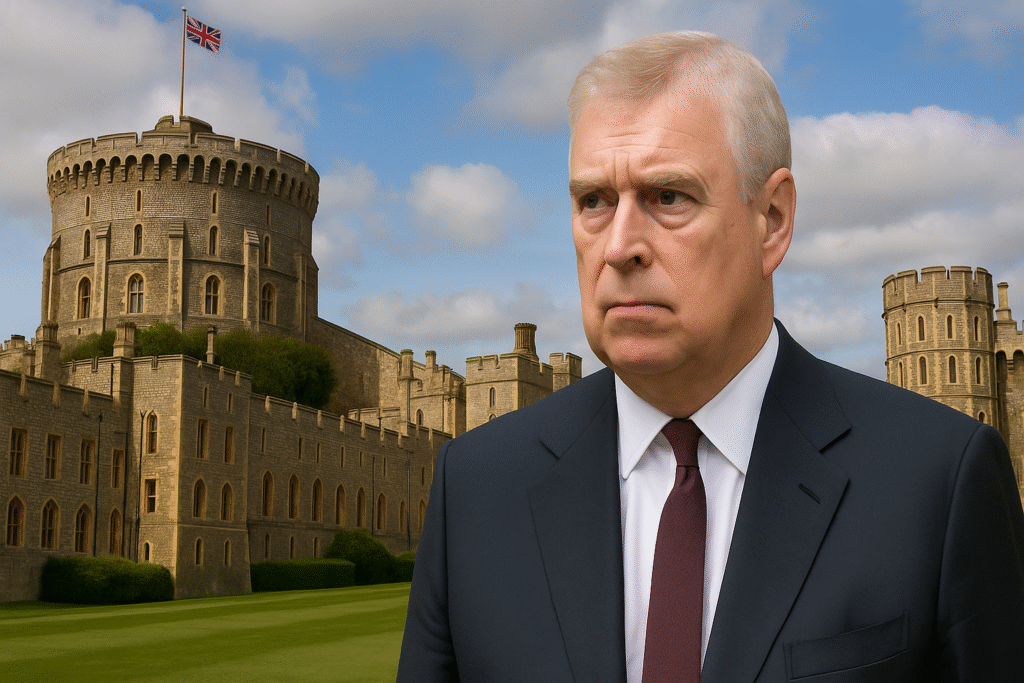
Prince Andrew’s Coat of Arms Taken Down From Windsor Castle Amid Allegations
“King Charles and Queen Camilla Triumphantly Make History at Vatican 2025”