Anti-Monarchy Protesters at the Parade: What Happened Explained
Anti-Monarchy Protesters at the Parade became one of the most talked-about moments during Trooping the Colour 2026 in London. What is usually a traditional royal celebration turned into a day of political expression, drawing attention from the public, media, and online audiences worldwide.
The appearance of Anti-Monarchy Protesters at the Parade quickly became one of the most discussed moments of Trooping the Colour 2026, generating widespread media coverage and public debate.
Thousands of people gathered along The Mall to witness the royal procession, but the presence of protesters added a new and unexpected layer to the event. The contrast between royal tradition and public dissent created a powerful moment that quickly spread across news platforms.
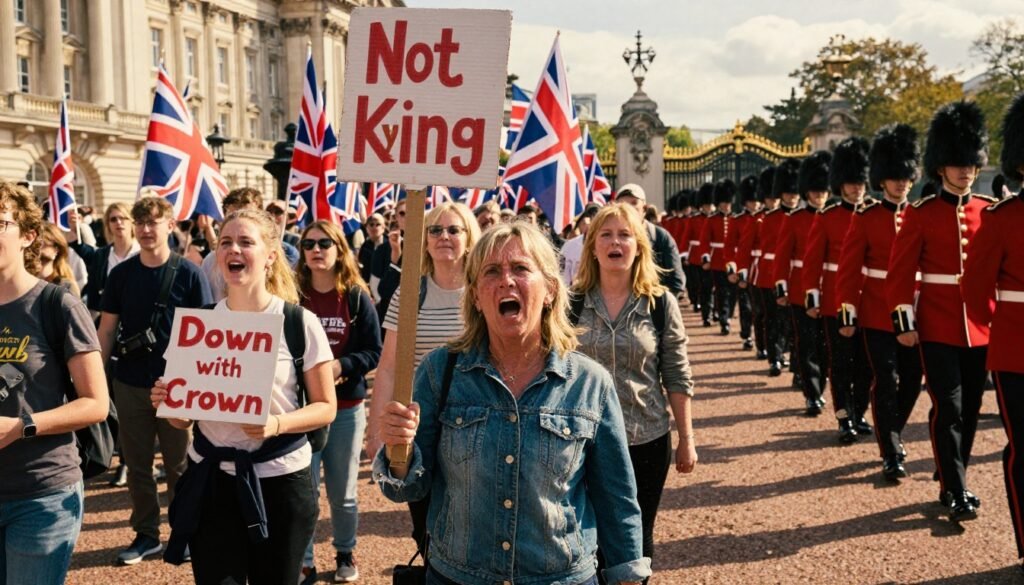
Table of Contents
What Happened at the Anti-Monarchy Protesters at the Parade
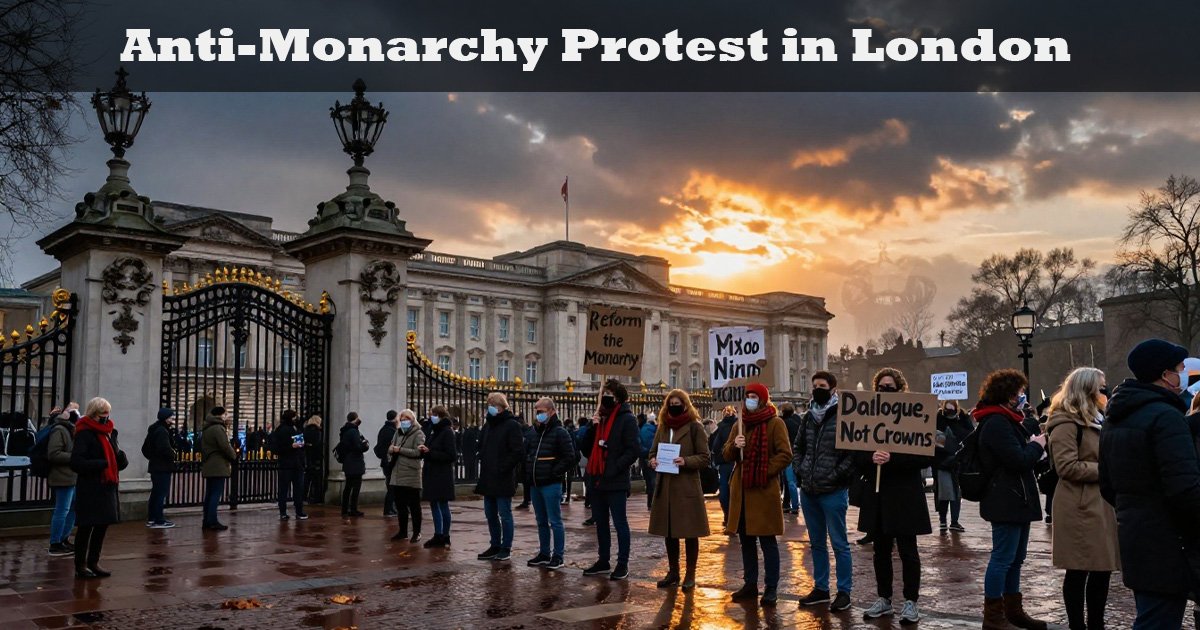
During the parade, a group of anti-monarchy protesters gathered along the route carrying banners and placards. Messages calling for constitutional change and criticism of the monarchy were visible among the crowd.
As the royal procession passed, chants and slogans briefly disrupted the usual celebratory atmosphere. While the majority of spectators focused on the ceremony, the protest added a visible political dimension to the event.
The incident quickly gained attention online, with discussions spreading across social media platforms and news outlets.
Why the Anti-Monarchy Protesters at the Parade Sparked Debate
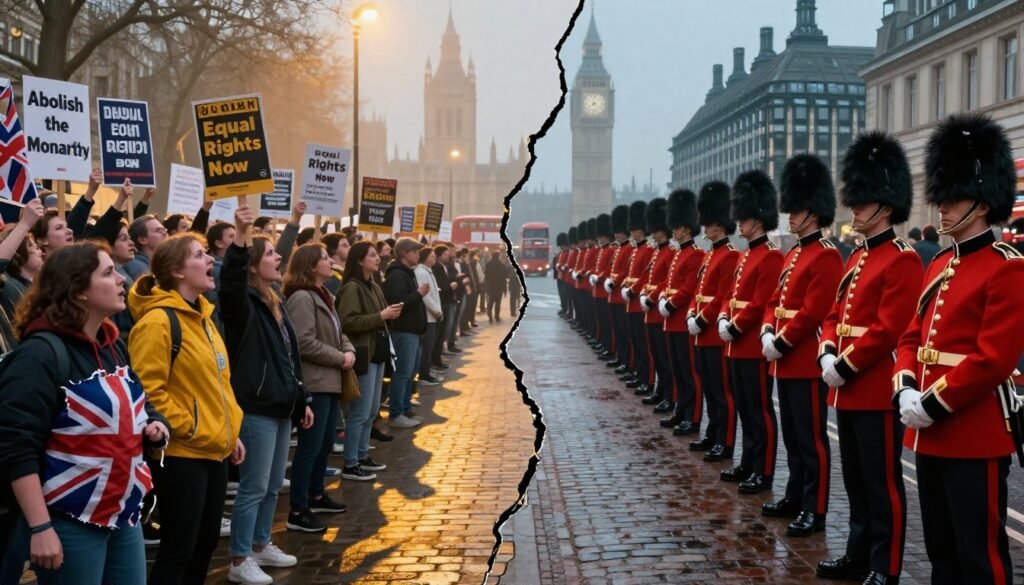
The protest sparked debate because it took place during one of the most symbolic royal ceremonies in the UK.
For many people, Trooping the Colour represents unity, tradition, and national pride. However, for protesters, it represented an opportunity to question the role of the monarchy in modern society.
This contrast led to divided opinions:
- Some viewed it as a legitimate democratic expression
- Others felt it disrupted a national celebration
Public Reaction to the Anti-Monarchy Protesters at the Parade
Public reaction was mixed. Many supported the right to protest peacefully, emphasizing freedom of speech. Others believed the timing and location were inappropriate.
On social media, discussions became highly active, with people debating whether royal events should remain politically neutral or open to public demonstration.
The incident showed how deeply divided opinions about the monarchy remain in modern Britain.
What the Anti-Monarchy Protesters at the Parade Mean for the Future
The presence of protesters at such a high-profile event highlights ongoing conversations about the monarchy’s role today.
While the monarchy continues to receive strong public support, growing discussions around reform and accountability suggest that debate is not likely to fade.
Events like this show how traditional ceremonies are increasingly becoming platforms for public expression and political messaging.
Why Anti-Monarchy Protesters at the Parade Generated So Much Attention
Political protests occur regularly in democratic societies. However, this particular demonstration attracted attention because of its setting.
Trooping the Colour is one of the most symbolic events on the royal calendar.
The contrast between royal tradition and political dissent created powerful images that quickly circulated online.
Timing Matters
The protest achieved visibility because it occurred:
- During a globally televised event
- In front of large crowds
- Near senior members of the royal family
- At a ceremony representing continuity and tradition
As a result, even a relatively small group of demonstrators managed to generate significant discussion.
Public Reaction to the Anti-Monarchy Protest
Public responses to the protest were sharply divided.
Some people praised the demonstrators for exercising their democratic right to protest.
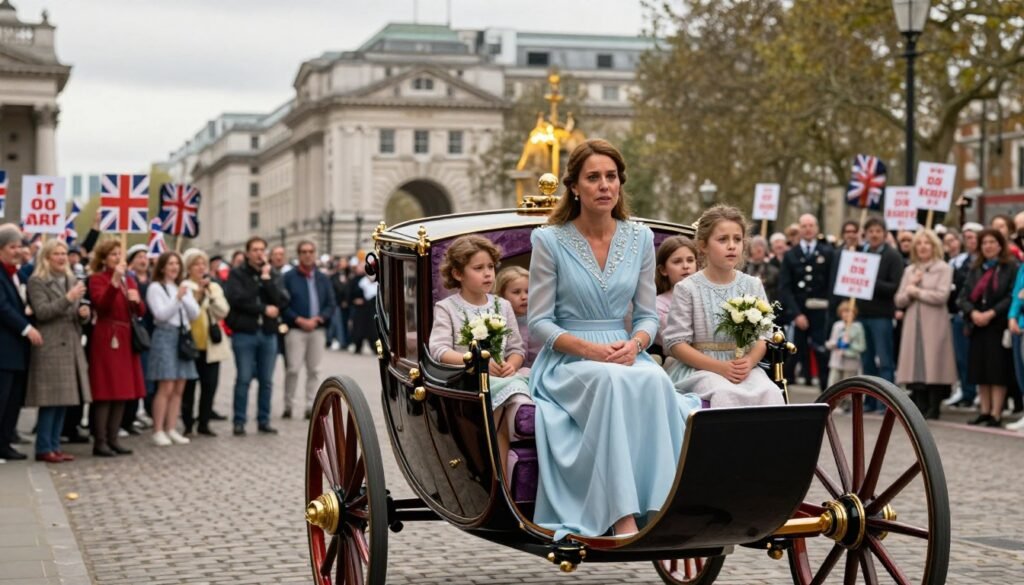
Others felt the action crossed a line because children were present in the royal carriage.
Supporters of the Protest Said:
- Peaceful protest is a democratic right.
- Public institutions should face scrutiny.
- High-profile events are legitimate venues for political expression.
Critics Argued:
- The protest targeted a family event.
- Children should not be exposed to hostile demonstrations.
- The occasion was intended as a national celebration.
Political Message Behind the Anti-Monarchy Protest
Several important takeaways emerged from the event:
1. Inside the Anti-Monarchy Protest Crowd
Even small demonstrations can gain global attention when they occur at high-profile events.
2. Royal Events Are No Longer Free From Political Debate
Major ceremonies now attract both supporters and critics.
3.Media Response to the Anti-Monarchy Protest
Video clips and photographs can transform a brief incident into an international story within hours.
4. Public Interest in Constitutional Issues Continues
The monarchy remains one of Britain’s most debated institutions.