King Charles and the Historic Milestone for Equality in Britain
King Charles leads a moving tribute marking 50 years of LGBT service as Britain unveils its first national military memorial to honor courage and equality.
King Charles and the Historic Milestone for Equality in Britain
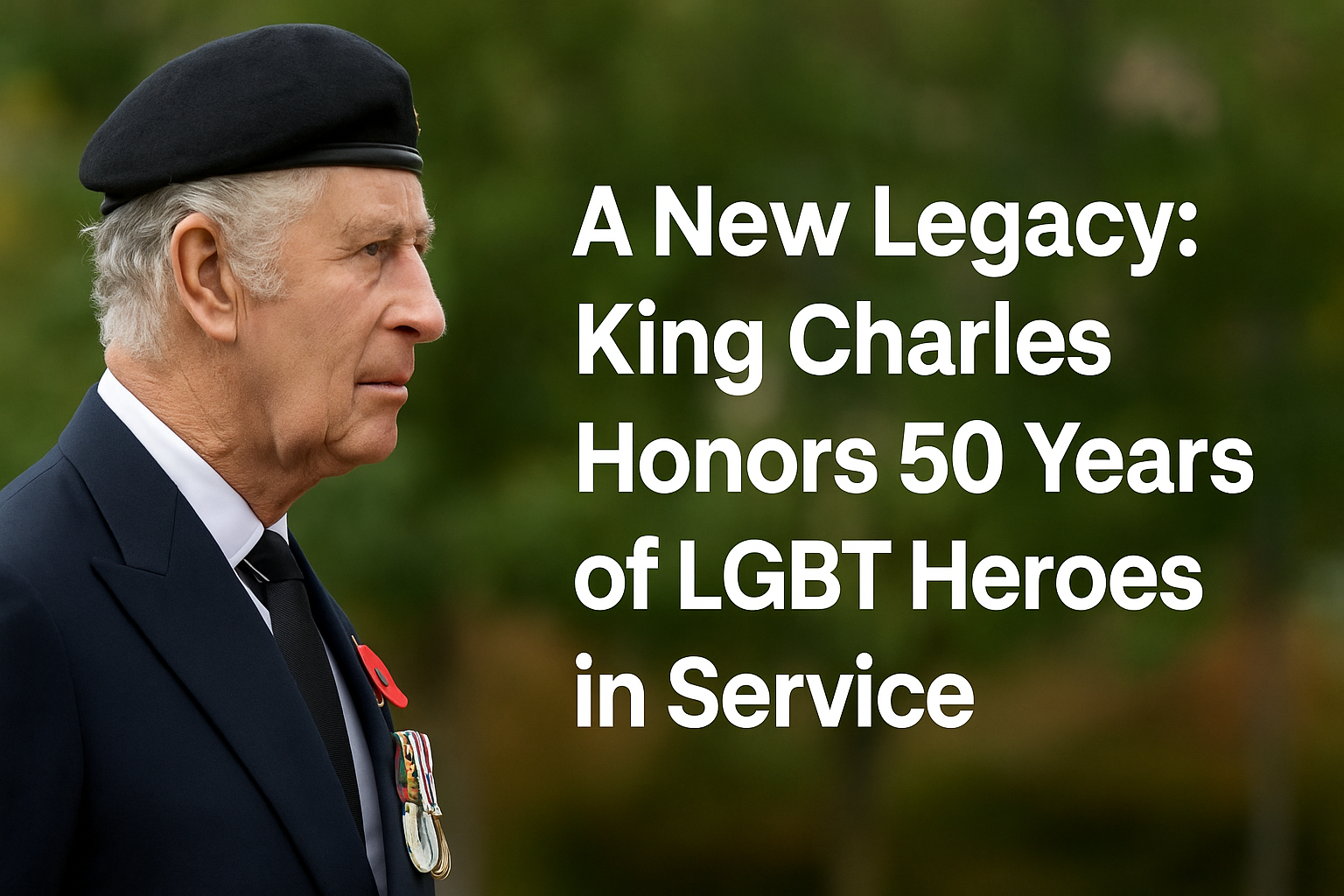
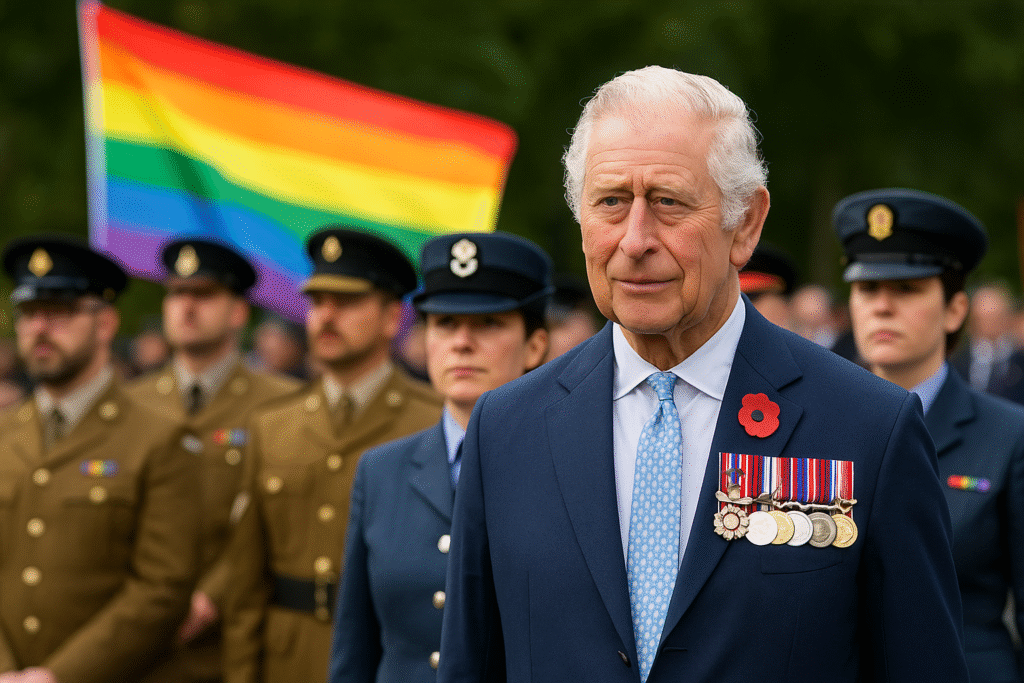
In a defining moment for modern Britain, King Charles III unveiled the United Kingdom’s first National LGBT Military Memorial, honoring those who served their country while facing discrimination and silence. The ceremony took place at the National Memorial Arboretum in Staffordshire and marked half a century of progress toward equality in the armed forces.
The event was both solemn and hopeful. It was not just another royal duty; it was a gesture of moral recognition. For decades, LGBT service members had been forgotten by the institutions they served. Now, their courage was acknowledged by the nation’s head of state.
In his opening remarks, King Charles spoke with measured emotion. “Remembrance,” he said, “is not only for those who gave their lives in battle but for all who served with honor—even when that honor was denied.” The crowd listened in complete silence. For many, those words felt like healing.
Fifty Years of Service and Recognition
For much of the 20th century, LGBT people were barred from openly serving in Britain’s military. Until 2000, anyone suspected of being gay could be discharged, interrogated, or publicly shamed. Thousands lost their careers and their sense of belonging.
When the ban was finally reversed after a landmark European Court of Human Rights ruling, Britain began its slow path to reconciliation. Still, recognition took time. Policies changed before public understanding did. Only now has the country truly started to celebrate the people who suffered through those years of exclusion.
By unveiling this memorial, King Charles turned apology into action. The sculpture—called An Opened Letter—represents a conversation resumed after too long a pause. Its design and placement invite visitors to reflect on how acceptance emerges from understanding.
Why King Charles’sCharles’s Tribute Matters
The King’s involvement gave the moment historic depth. His appearance was a statement that remembrance must include every form of service. It showed a monarchy willing to acknowledge both mistakes and progress.
In his address, he said, “We honor courage in all its forms. To remember only some is to forget the truth of our shared duty.” His remarks linked national pride with moral growth.
Observers noted that King Charles stood not as a figure of power but as a symbol of understanding—that shift—from authority to empathy—defined the day’s tone.
The Ceremony at the National Memorial Arboretum
On a bright autumn morning, the Arboretum’s fields were lined with veterans in uniform. Families arrived quietly, carrying photographs and memories. When King Charles walked down the path toward the memorial, the crowd fell silent.
He laid a wreath that read, “For all who served with pride.” A single bugle played The Last Post. The notes floated through the crisp air, and many eyes filled with tears.
After the ceremony, the King spoke with veterans individually. He listened, shook hands, and thanked each person for their service. Those simple moments of connection meant more than any speech.
Voices from the Ceremony
Many who attended had waited decades for recognition. Former RAF technician Linda Gray said, “When I was dismissed, I thought I’d never wear a uniform again. Today, I felt seen.”
Another veteran, Andrew Collins, reflected, “The King didn’t just speak about us—he stood with us. That makes this day different.”
Such statements captured the event’s emotional power. It was a reunion between the nation and those who once served in silence.
The Meaning Behind ”An Open Letter’‘
The sculpture’s shape suggests an envelope being unsealed. Its engraved message reads: “To all who served with honor, regardless of who they loved.” The imagery is simple but profound. It turns the act of opening into one of healing.
Artist John Merrill explained, “It represents a conversation we should have had years ago. Now, it’s open for everyone to read.” The memorial’s bronze surface catches the morning light, symbolizing truth emerging from darkness.
By commissioning this piece, King Charles underscored his belief that art can bridge division and invite reflection where words fall short.
Art as a Bridge Between Generations
The King has long championed architecture and design as tools for unity. He often says that beauty carries moral weight. Through an Open Letter, he turned that principle into reality.
Art connects past and present. It allows a nation to see itself honestly without losing hope. This memorial achieves exactly that balance.
A Modern Monarchy for a Diverse Nation
Since his accession, King Charles has sought to align the Crown with the values of a modern democracy. He speaks often of duty as service, not status. His involvement in the memorial reflects that ethos.
Today’s Britain is defined by diversity. The monarchy’s survival depends on its ability to mirror that reality. Through acts like this one, the King shows that tradition and inclusion can stand side by side.
He bridges the formality of royalty with the familiarity of shared values. That balance keeps the institution relevant to younger citizens and comforting to older ones.
Tradition and Progress in Harmony
Blending continuity and change is the core challenge for any monarch. King Charles meets that challenge by listening as much as he speaks. He keeps his mother’s spirit of duty while giving it a new language of compassion.
Older Britons see stability in him. Younger generations see empathy. Together, they know a monarchy that feels both ancient and alive.
Equality, Empathy, and Action
Equality has always been central to King Charles’sCharles’s public work. He often links social issues to shared moral responsibility. This ceremony fit that pattern perfectly.
By honoring LGBT veterans, he turned compassion into policy. He showed that acknowledgment can be as powerful as legislation. Such acts restore trust between the Crown and the people it represents.
Public and Media Reaction
Reaction to the event was overwhelmingly positive. Major news outlets called it a milestone for the monarchy. The Times wrote, “King Charles has given remembrance its most inclusive meaning yet.”
On social media, veterans shared photographs and thanks. Comments described the ceremony as “a moment of dignity we waited decades for.” Across the political spectrum, the gesture was praised as genuine and necessary.
Public response proved that when the monarchy acts with empathy, the nation responds with respect.
Pride, Service, and Remembrance Under King Charles’sCharles’s Reign
The memorial embodies three themes that define the King’s reign: respect, renewal, and responsibility. Together, they form the moral foundation of his leadership.
By recognizing those once overlooked, King Charles expanded the idea of patriotism. He showed that love of country includes love for each other. Through acts of acknowledgment, he has strengthened the nation’s sense of belonging.
Lasting Impact on Veterans and Families
For many attendees, the day brought closure. Veterans who had faced humiliation felt a measure of peace. Families of the deceased spoke about finally being able to mourn without shame.
The ongoing LGBT Veterans Review continues to address financial and legal restitution. The King’s visible support has given that process urgency and legitimacy.
A Nation’s Evolving Identity
Modern Britain is a mosaic of beliefs and backgrounds. To remain relevant, the monarchy must mirror this diversity. By honoring LGBT service members, King Charles affirmed that national identity grows stronger through inclusion.
One veteran summed it up perfectly: “When the King remembers us, the country remembers us.” That simple line captures why the ceremony mattered so deeply.
Remembrance and Reform
Remembrance has little meaning without learning. Under King Charles’sCharles’s leadership, reflection and reform go hand in hand. He understands that listening is often the first step toward change.
This approach encourages other institutions to review their own histories. Schools, regiments, and local councils are already discussing how to celebrate diversity within their traditions.
Looking Ahead — The King’s Continuing Vision
King Charles has often said that duty never ends. His plans include greater support for veterans’ mental health and community heritage projects. These initiatives extend his belief that service is about connection.
He aims to ensure that every form of remembrance includes those once overlooked. As he put it, “History must never forget what it once refused to see.” Those words will guide future memorials and educational work throughout the Commonwealth.
In the coming years, his commitment to compassionate leadership will likely shape how Britain defines service itself.
A Broader Reflection: Service, Compassion, and the Crown’s Duty
Every monarch interprets service differently. For King Charles, it means connection and care. He believes that listening is the most valid form of leadership.
Through decades of charitable work, he has built a reputation for turning empathy into action. The LGBT memorial continues that pattern, showing that inclusion is not a trend—it’s a duty.
The King balances heritage with humanity. He understands that the Crown’s strength lies not in power but in purpose. By honoring all who serve, he keeps the monarchy rooted in the people it represents.
Globally, his approach offers a lesson. Acknowledgment and empathy rebuild trust where institutions have eroded it. In divided times, such trust is a form of national wealth.
A Letter Finally Opened
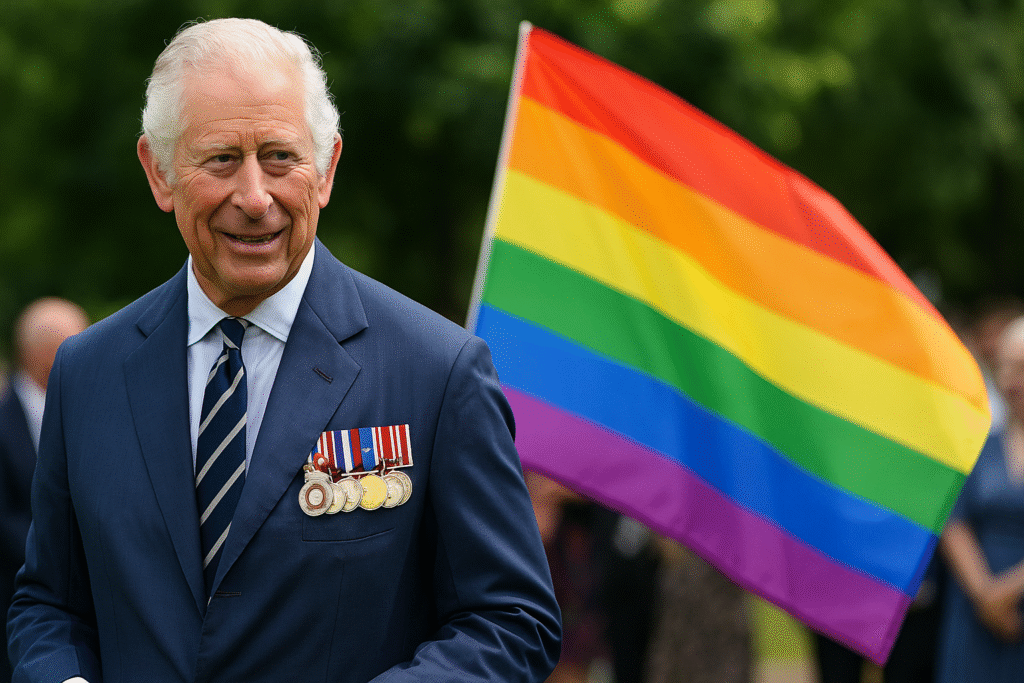
The Opened Letter memorial now stands quietly in Staffordshire, its bronze edges catching the morning light. Visitors pause before it, some leaving flowers, others just standing in thought.
Through this act of remembrance, King Charles helped Britain confront its past with …its courage. His words at the ceremony urged Britain to “remember honestly and move forward together.”
The memorial’s design—an open letter in bronze—now symbolizes a nation willing to face its history with humility. Each morning, light strikes the sculpture first, as if reminding visitors that understanding begins at dawn.
King Charles concluded his address with a reflection that captured the day’s spirit: “Love of country is love of all who serve it.” That single line summarized five decades of struggle, resilience, and reconciliation.
This moment—quiet yet profound—proved that remembrance can repair what policy once broke. It showed how the monarchy, when led by empathy, remains a living part of Britain’s moral conscience.