Prince Andrew Faces Parliament Heat Over Royal Lodge Deal
Prince Andrew faces Parliament heat as MPs question his Royal Lodge deal, finances, and public privileges amid growing outrage and royal accountability.
In recent weeks, Prince Andrew has faced parliamentary heat for a reason that strikes at the heart of royal accountability — his continued residence at Royal Lodge. The Windsor estate, sprawling over 30 acres of manicured land, has become a lightning rod for public frustration and political tension.
Members of Parliament are now questioning how the Duke of York, stripped of official royal duties, can continue to occupy one of Britain’s most valuable royal homes. Reports suggest that his rent payment—a symbolic “peppercorn” amount—falls drastically short of the property’s market rate. Consequently, Prince Andrew faces parliamentary heat from both lawmakers and the public, who view the arrangement as an outdated relic of privilege.
Because the issue touches on fairness and equality, it resonates deeply with working families struggling to pay rent. For that reason, Prince Andrew faces Parliament heat not merely for financial reasons, but for what his situation represents — a system slow to evolve with the people it serves.
Prince Andrew Faces Parliament Heat for Sweetheart Rent Agreement
The outrage surrounding the lease agreement continues to build. According to multiple reports, Prince Andrew is facing parliamentary scrutiny over a “sweetheart deal” that allows him to retain the Royal Lodge for decades under unusually favorable terms.
Lawmakers argue that such arrangements perpetuate inequality, especially during a time when millions across the U.K. are grappling with housing insecurity. Furthermore, the lack of clear documentation on how the lease was approved has fueled further suspicion. Therefore, Prince Andrew faces parliamentary heat not just for what he pays, but for how little is known about the process that allowed it.
Political commentators note that the issue could set a dangerous precedent. If royal properties are shielded from scrutiny, the gap between privilege and public accountability widens. Thus, Prince Andrew faces parliamentary heat as a representative case of why financial transparency within the monarchy is long overdue.
Prince Andrew Faces Parliament Heat Amid Demands for Royal Transparency
As debates continue across Westminster, Prince Andrew faces Parliament heat because his case has become a rallying cry for transparency within the monarchy. Lawmakers and journalists argue that financial secrecy no longer aligns with modern democratic values. Moreover, the growing pressure to disclose royal property expenses could lead to groundbreaking reforms. Citizens increasingly believe that, if the monarchy is to remain relevant, openness must replace secrecy. Hence, Prince Andrew faces heat Parliament as a symbol of shifting public expectations.
Prince Andrew Faces Parliament Heat Amid Rising Public Anger
The controversy has spread beyond the walls of Westminster. Across Britain, Prince Andrew faces parliamentary heat as citizens voice growing resentment toward unearned advantages. Online discussions, petitions, and talk shows amplify a common sentiment: fairness must apply to everyone, even royalty.
As economic pressures mount, the optics of a royal living luxuriously under a subsidized deal appear tone-deaf. Social media amplifies this sentiment daily, making Prince Andrew face Parliament heat not just a political story but a cultural one.
Additionally, public anger is no longer confined to older demographics. Younger Britons — those who often question the relevance of the monarchy — are especially vocal. Their frustration over inequality and lack of transparency keeps this issue alive. Thus, Prince Andrew faces parliamentary heat from an audience that views this scandal as symbolic of generational and institutional disconnect.
Prince Andrew Faces Parliament Heat as Royal Accountability Intensifies
Observers note that Prince Andrew faces Parliament heat during a new era of scrutiny for the royal family. Each controversy magnifies the demand for institutional responsibility. Because of recent scandals and changing media dynamics, the monarchy can no longer rely on silence as protection. The Duke’s financial privileges now represent a broader problem — the fading line between tradition and entitlement. Therefore, Prince Andrew faces Parliament heat not in isolation but as part of a generational reckoning with royal accountability.
Prince Andrew Faces Parliament Heat After Financial Review Calls
The debate has moved from public outrage to political action. Now, Prince Andrew faces parliamentary heat through formal calls for a comprehensive audit of royal properties and spending. A growing number of MPs across party lines are urging reforms to ensure public resources are used responsibly.
The proposed financial review would not only examine Andrew’s lease but potentially redefine how royal estates are managed altogether. Supporters of the motion argue that secrecy breeds mistrust, while transparency restores confidence. Consequently, Prince Andrew faces parliamentary heat as the face of a broader push for modernization within the royal framework.
If approved, this review could open the door to significant policy changes, compelling the monarchy to account for its use of taxpayer funds publicly. Even moderate MPs now agree that without change, Prince Andrew faces parliamentary heat that will continue to symbolize deeper systemic issues.
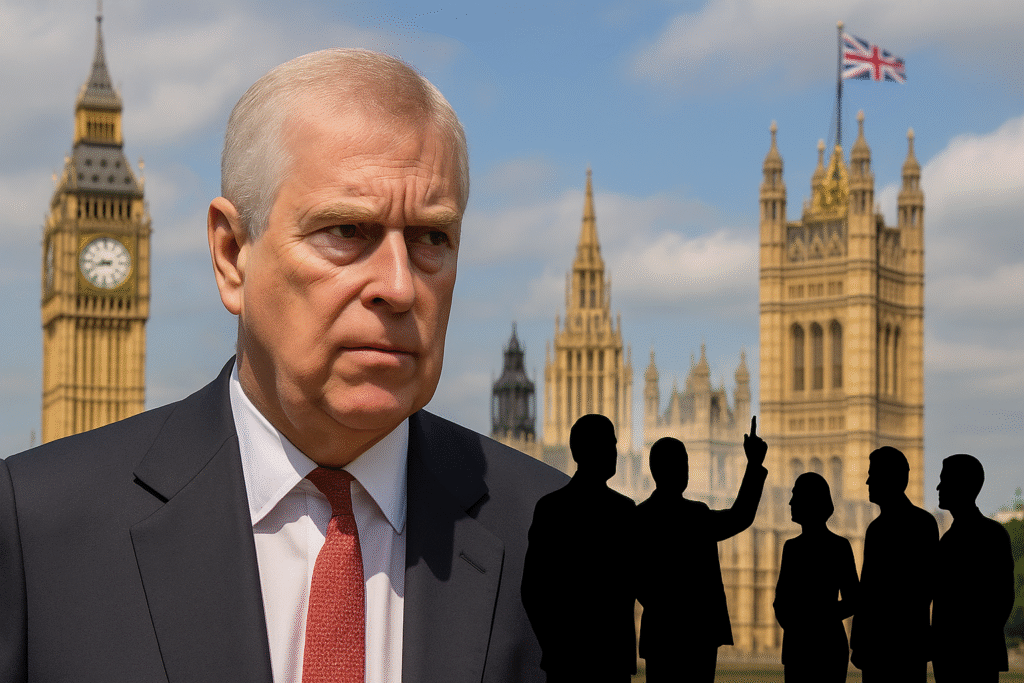
Prince Andrew Faces Parliament Heat as Critics Call for Lease Termination
Legal analysts now question whether the Royal Lodge lease should be terminated or renegotiated. Because Prince Andrew faces Parliament heat over his financial privileges, several MPs argue that allowing the Duke to retain his 30-room estate undermines public faith in fairness. Experts note that the lease—signed in 2003 for 75 years—was agreed under vastly different social conditions. Today, however, the optics of luxury amid austerity are politically explosive.
Furthermore, watchdogs say that continuing the deal could violate the spirit of the King’s “modern monarchy” vision. If the Palace fails to address this imbalance, it risks appearing tone-deaf to public sentiment. Thus, Prince Andrew faces Parliament heat not only over what he pays but over what the arrangement symbolizes: resistance to reform and disregard for equality.
Prince Andrew Faces Parliament Heat as MPs Push for Legal Oversight
Parliamentarians have begun exploring whether future royal leases should face mandatory public audits. This legal shift could redefine how royal property is managed in the decades ahead. Because Prince Andrew faces Parliament heat, MPs now have a real-world example to justify reform. Analysts predict that this may pave the way for annual transparency reports covering all royal financial arrangements. Consequently, Prince Andrew faces Parliament heat as the test case for policy change that could reshape centuries-old practices.
Prince Andrew Faces Parliament Heat as Buckingham Palace Stays Silent
As the controversy intensifies, one institution remains quiet — Buckingham Palace. Despite weeks of debate, Prince Andrew faces heat in Parliament without any official palace response. This silence, once considered royal etiquette, now appears evasive in the age of instant information.
Critics argue that the Palace’s refusal to address the matter creates a vacuum of trust. Every unanswered question breeds new theories and fuels more public anger. Because the monarchy’s survival depends on perception, silence is increasingly risky. Hence, Prince Andrew faces parliamentary heat not only for the deal itself but for the institution’s lack of transparency.
Some insiders believe the Palace is waiting for the controversy to fade, yet it’s doing the opposite. The longer they remain silent, the louder the outrage grows. Therefore, Prince Andrew faces heat in Parliament in a communication crisis of the monarchy’s own making.
Prince Andrew Faces Parliament Heat as Experts Debate the Future of Monarchy
Historians and policy analysts believe this controversy could determine how the monarchy adapts in the coming decades. While Prince Andrew faces Parliament heat, the institution must decide whether to embrace transparency or risk alienating a new generation of citizens. This debate is shaping universities, think tanks, and newsrooms alike. If reform emerges from this pressure, it could redefine royal protocol for centuries. Consequently, Prince Andrew faces Parliament heat stands not only as a political crisis but as a historical pivot point.
Prince Andrew Faces Parliament Heat Linked to Epstein Fallout
No discussion of Prince Andrew facing Parliament heat can ignore the lasting shadow of the Epstein scandal. Although he stepped down from public duties in 2019, the memory of those associations continues to haunt his reputation.
The Royal Lodge controversy has revived painful questions about accountability. Many citizens believe that privileges granted to disgraced royals undermine the monarchy’s moral authority. As advocacy groups and political figures continue to highlight the overlap between scandal and privilege, Prince Andrew faces parliamentary heat as a reminder of unresolved issues from the past.
Moreover, the resurgence of this conversation underscores how intertwined royal image and national ethics have become. Each headline about financial secrecy reopens old wounds, ensuring that Prince Andrew faces Parliament heat for more than economic reasons — it’s about trust, integrity, and responsibility.
Prince Andrew Faces Parliament Heat Over Role of Public Funding
One key question persists: has any portion of taxpayer money indirectly supported the Royal Lodge’s upkeep? Financial experts say security, grounds maintenance, and staffing could still involve public resources. Because Prince Andrew faces Parliament heat over this uncertainty, MPs argue that detailed breakdowns should be mandatory. Transparency advocates add that even perceived misuse of funds damages public confidence. Therefore, Prince Andrew faces Parliament heat as Parliament seeks clarity over how much public money sustains royal lifestyles.
Prince Andrew Faces Parliament Heat While King Charles Balances Reform
Behind palace doors, a larger challenge brews. While Prince Andrew faces heat in Parliament, King Charles III is navigating the tension between loyalty to family and duty to reform. The King’s vision for a “slimmed-down monarchy” has won public approval, yet his brother’s controversies threaten to undermine that vision.
Palace insiders suggest that the King’s patience is wearing thin. Despite his preference for quiet diplomacy, the current climate may force him to act decisively. Thus, Prince Andrew’s facing heat from Parliament becomes a potential catalyst for royal reform.
If Charles enforces stricter financial oversight or reassigns properties, he could strengthen public trust. On the other hand, inaction risks portraying the monarchy as disconnected and defensive. Hence, Prince Andrew faces heat in Parliament at a time when royal leadership is facing its most delicate balancing act in decades.
Prince Andrew Faces Parliament Heat Over Calls for Ethical Modernization
Ethics scholars argue that the monarchy’s survival depends on its willingness to evolve. As Prince Andrew faces Parliament heat, discussions of moral responsibility dominate public dialogue. Some experts suggest that ethical reform — such as voluntary audits, donation pledges, or symbolic gestures of repayment — could help rebuild trust. Yet others insist that genuine change requires transparency enforced by law, not choice. Either way, Prince Andrew faces Parliament heat as the catalyst for a new standard of royal ethics.
Prince Andrew Faces Parliament Heat as Media Exposes New Details
As journalists dig deeper, Prince Andrew faces parliamentary heat from fresh revelations about the Royal Lodge lease terms. Investigations by major British outlets suggest that portions of the estate’s maintenance may still receive indirect public support, particularly for security or infrastructure upkeep.
These findings have intensified calls for financial transparency. Commentators note that even symbolic connections to public funds fuel resentment during economic hardship. Therefore, Prince Andrew faces parliamentary scrutiny as reporters continue to uncover details once private.
The media’s persistence also reshapes the narrative: this is no longer a family dispute, but a matter of national ethics. Every new headline pushes Parliament to act, proving that Prince Andrew faces heat in both the political and journalistic arenas.
Prince Andrew Faces Parliament Heat as Public Trust Reaches a Tipping Point
Recent opinion polls show that public trust in the monarchy has dropped sharply, with younger Britons expressing the least confidence. Analysts connect this decline directly to repeated controversies. Since Prince Andrew faces Parliament heat, public patience is running out. The younger generation expects accountability and clear financial boundaries. If these expectations remain unmet, the monarchy’s moral authority could erode further. Thus, Prince Andrew faces Parliament heat as a mirror reflecting Britain’s evolving values and generational divide.
Prince Andrew Faces Parliament Heat Over Ethical Standards in Monarchy
Beyond money and property, Prince Andrew faces heat from Parliament over broader ethical questions. Should royals who step away from public service retain access to privileges tied to taxpayer-funded institutions? Should they enjoy the same benefits as active members representing the Crown?
These questions are reshaping the public dialogue about what monarchy means today. As society evolves, so do expectations of integrity. Therefore, Prince Andrew faces parliamentary heat not merely for a housing deal but for highlighting the need to align royal ethics with modern values.
Reform advocates argue that addressing these issues could restore faith in the monarchy. Transparency and accountability, they insist, are no longer optional — they’re essential for survival.
Prince Andrew Faces Parliament Heat as Citizens Call for Change
Public engagement with this controversy continues to surge. From television debates to local forums, Prince Andrew faces parliamentary heat because people are no longer passive observers. They are active participants demanding reform.
Grassroots organizations have even begun campaigns for financial disclosure laws covering royal estates. Some MPs have already voiced support for these initiatives, suggesting that citizen activism could drive meaningful policy reform. Consequently, Prince Andrew faces parliamentary heat as democracy asserts itself against the monarchy’s traditional secrecy.
Moreover, the public’s involvement demonstrates that this issue transcends gossip. It reflects a national awakening — one that expects institutions, no matter how historic, to evolve with the people’s principles.
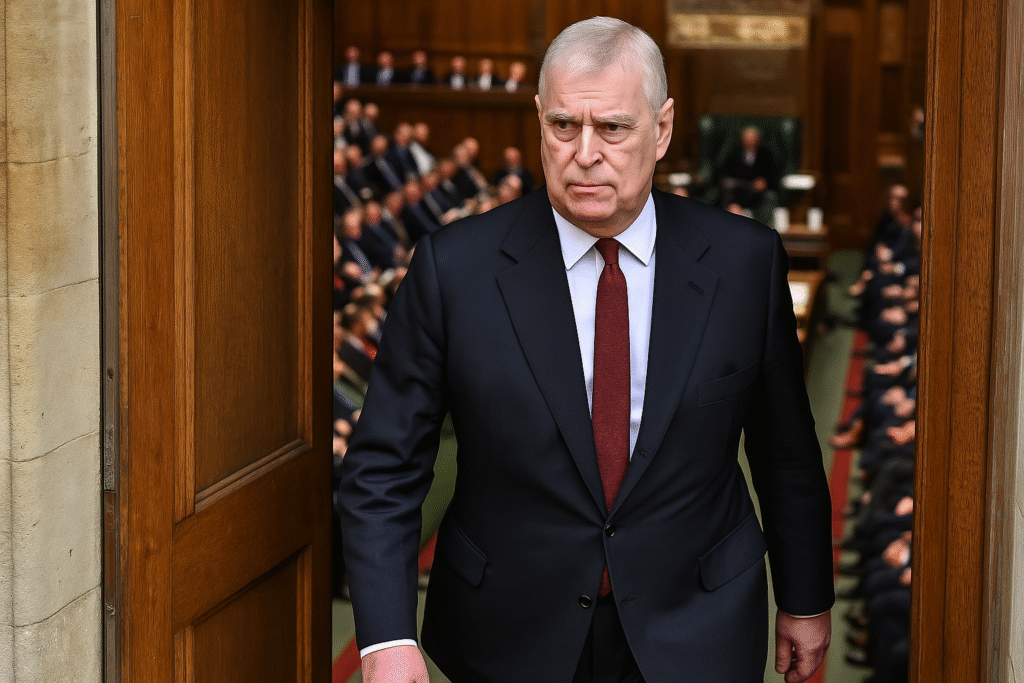
Prince Andrew Faces Parliament Heat as Future of Monarchy Questioned
Ultimately, Prince Andrew faces parliamentary heat because the scandal cuts deeper than any one person. It exposes an identity crisis within the British monarchy itself. As new generations call for transparency and equality, royal privilege stands in sharp contrast to the values of a modern democracy.
Historians believe this could mark a pivotal chapter in the monarchy’s evolution. How this issue is handled may determine the future of royal legitimacy. Whether through reform, apology, or quiet compromise, one thing is sure — Prince Andrew faces Parliament heat as a defining moment in Britain’s centuries-old royal narrative.
Conclusion: Tradition Under Fire, Accountability Demanded
In the end, Prince Andrew faces parliamentary heat because the public no longer accepts blind faith in royal discretion. His Royal Lodge deal, once a private matter, now serves as a symbol of outdated privilege in an age demanding accountability.
If Parliament enacts reforms or the monarchy chooses transparency, this controversy may become the turning point historians point to as the moment the royals adapted — or failed to. Until then, Prince Andrew faces Parliament heat will remain a phrase echoing across headlines, social networks, and debates about what fairness truly means in the twenty-first century.
Prince Andrew Faces Parliament Heat as Citizens Demand Constitutional Reform
Beyond social media outrage, petitions calling for royal reform are gaining traction. Tens of thousands of Britons have signed online appeals requesting new rules on royal finances. These petitions, widely shared under the banner of equality and justice, show that Prince Andrew faces Parliament heat from both inside and outside government. As the movement grows, experts say constitutional reform may no longer be hypothetical. Instead, it could become an inevitable response to public sentiment. Thus, Prince Andrew faces Parliament heat within a rising tide of civic activism.