Royal Property Finances Audit 2026 Exposes Shocking Truths
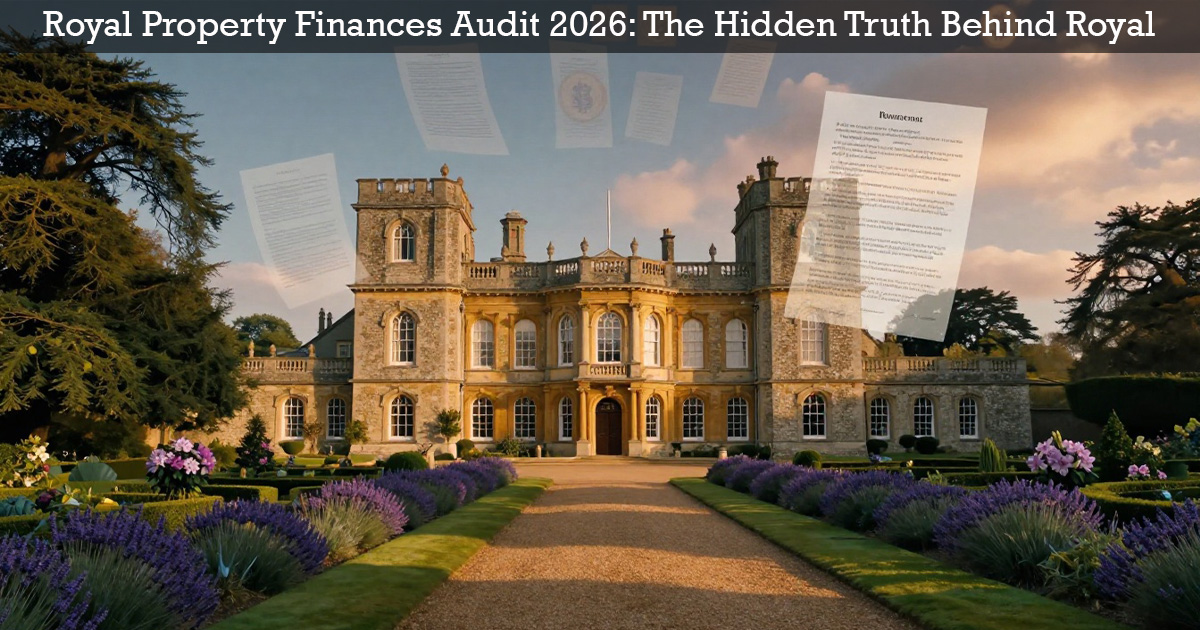
Royal Property Finances Audit 2026 has pulled back the curtain on one of the most closely guarded systems in the UK—the way royal residences are funded, leased, and managed. And the findings are not just technical accounting details. They read like a quiet rewriting of what many people thought they knew about royal wealth, public funding, and private privilege.
For decades, royal housing arrangements have been wrapped in tradition and secrecy. But this latest watchdog investigation by the National Audit Office has exposed a far more complex picture—one involving discounted rents, private income streams, and blurred lines between public and private money.
In simple terms, the Royal Property Finances Audit 2026 shows that royal homes are not just “palaces owned by the Crown.” They are part of a layered financial system where market rent, private funding, and taxpayer-linked estates intersect in surprising ways.
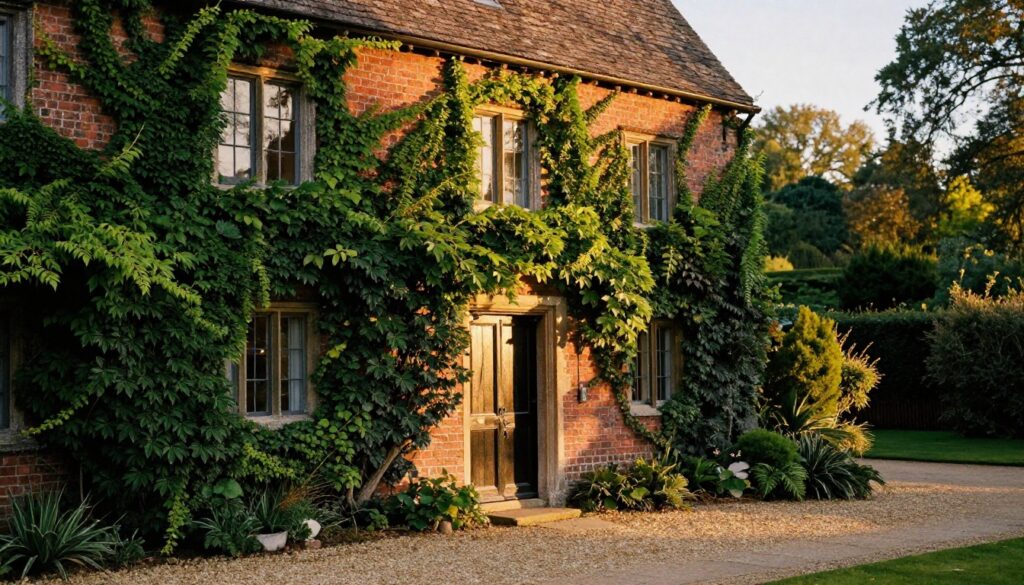
A 20-Year Gap in Oversight in Royal Property Finances Audit 2026
One of the most striking revelations in the Royal Property Finances Audit 2026 is not just what was found—but how long it took to look.
The National Audit Office had not carried out a comparable review of royal residences for more than two decades. That gap means many agreements continued for years without modern scrutiny.
The report itself avoids judging whether arrangements are “good or bad value,” but the raw data has already triggered intense public debate. Once numbers are laid out clearly, neutrality becomes harder to maintain.
One of the most notable aspects of the report is not only what it uncovered, but the time gap since the last full review.
There had been no comparable audit of royal residences for over 20 years. As a result, several long-standing agreements continued without modern reassessment.
While the report avoids making value judgments, the data has already sparked public debate. Once financial arrangements are fully visible, neutrality becomes harder to maintain.
Andrew Mountbatten-Windsor’s Role in Royal Property Finances Audit 2026
A key focus of the review is the lease agreement connected to Royal Lodge in Windsor.
The lease, secured in the early 2000s, involved a substantial upfront payment and significant refurbishment costs. In return, the ongoing rent was set at a very low level, often described as a “peppercorn rent.”
The structure of the agreement also included additional terms:
- Multiple cottages were included within the estate lease
- Subletting rights were permitted for a limited number of properties
- The arrangement remained unchanged for years
This created a situation where a high-value property carried minimal ongoing rental cost while offering significant usage flexibility.
A central focus of the Royal Property Finances Audit 2026 is the lease arrangement tied to Royal Lodge in Windsor.
Andrew Mountbatten-Windsor secured a long lease in the early 2000s, paying a large upfront cost and funding major refurbishments. In exchange, his ongoing rent was extremely low—often described as a “peppercorn rent.”
What makes this section controversial is not just the rent itself, but what came with it.
The audit confirms:
- The lease included multiple cottages within the estate
- Subletting of up to three cottages was permitted
- The arrangement remained in place for years
This creates a financial picture where a high-value property effectively generated private flexibility and potential income, while formal rent remained minimal.
Hidden Income From Subletting Deals in Royal Property Finances Audit 2026
One of the most discussed findings in the Royal Property Finances Audit 2026 is the confirmation that subletting was not just theoretical—it happened.
The report states that cottages within the Royal Lodge estate were sublet and the income went directly to the leaseholder rather than the Crown Estate.
That detail matters because the Crown Estate’s profits normally flow to the UK Treasury.
However, here:
- Rental income was privately retained
- The exact amount was not disclosed
- The arrangement was legal under lease terms
This creates a grey area between lawful property rights and public expectation of transparency.
Even though officials stress that everything was within contract rules, the lack of financial disclosure has become a key criticism point.

King Charles and Princess Rental Support in Royal Property Finances Audit 2026
Another major headline from the Royal Property Finances Audit 2026 involves King Charles and his financial support for Princess Beatrice and Princess Eugenie.
The report confirms that:
- Their residences in royal palaces are partly funded through private royal income
- Rent is calculated below full market value
- Payments come from the King’s Privy Purse rather than direct public funds
While this means taxpayers are not directly billed for these rents, the arrangement still relies on royal wealth tied to state-linked assets.
Critics argue this blurs the line between private generosity and institutional privilege.
Supporters counter that it reflects long-standing family arrangements rather than public subsidy.
The Waleses’ £300,000 Windsor Home in Royal Property Finances Audit 2026
The Royal Property Finances Audit 2026 also highlights the housing arrangement of the Prince and Princess of Wales.
Their Windsor residence comes with:
- A reported annual lease cost of over £300,000
- A long-term market-based agreement
- Significant repair work funded earlier by the Crown Estate
This section is important because it contrasts sharply with other arrangements in the report.
Unlike heavily discounted or symbolic rents, this lease is positioned closer to open-market valuation.
Still, it raises questions about how “market value” is calculated when the tenant is a royal household requiring enhanced security and privacy.
Rent-Free Royal Residences Explained in Royal Property Finances Audit 2026
One of the most misunderstood parts of the Royal Property Finances Audit 2026 is the concept of “rent-free” royal housing.
In reality, rent-free does not mean cost-free.
Many working royals receive accommodation in exchange for official duties. These include:
- Senior working members of the royal family
- Military ceremonial positions
- Palace staff in specific roles
However, the system is complex. Some non-working royals also benefit from subsidised arrangements, often justified through historic agreements or private funding structures.
The audit highlights inconsistencies in how these categories are applied, especially when similar properties are treated differently depending on the occupant.
Political Fallout From Royal Property Finances Audit 2026
Unsurprisingly, the Royal Property Finances Audit 2026 has triggered political reactions.
Members of Parliament have already signalled that:
- Further hearings will take place
- Subletting income transparency will be investigated
- Crown Estate lease standards will be reviewed
The Public Accounts Committee is expected to dig deeper into whether current arrangements represent fair value for public assets.
This is not just about royal tradition anymore—it is becoming a governance question.
What Happens Next After Royal Property Finances Audit 2026
The Royal Property Finances Audit 2026 is not the end of the story. If anything, it opens the door to more questions than answers.
Key areas likely to be investigated further include:
- Exact income from subletting arrangements
- Consistency of rent calculations across royal households
- Long-term lease fairness under modern valuation standards
- Transparency of Crown Estate-linked agreements
What makes this moment significant is that it brings structured financial data into a space long dominated by tradition and discretion.
And once financial systems are exposed in detail, public scrutiny rarely slows down.