Trump’s Unexpected Words That Shocked the World
Trump shows unexpected compassion as he defends the Royal Family amid global controversy — uncover 5 startling emotional truths behind his bold support.
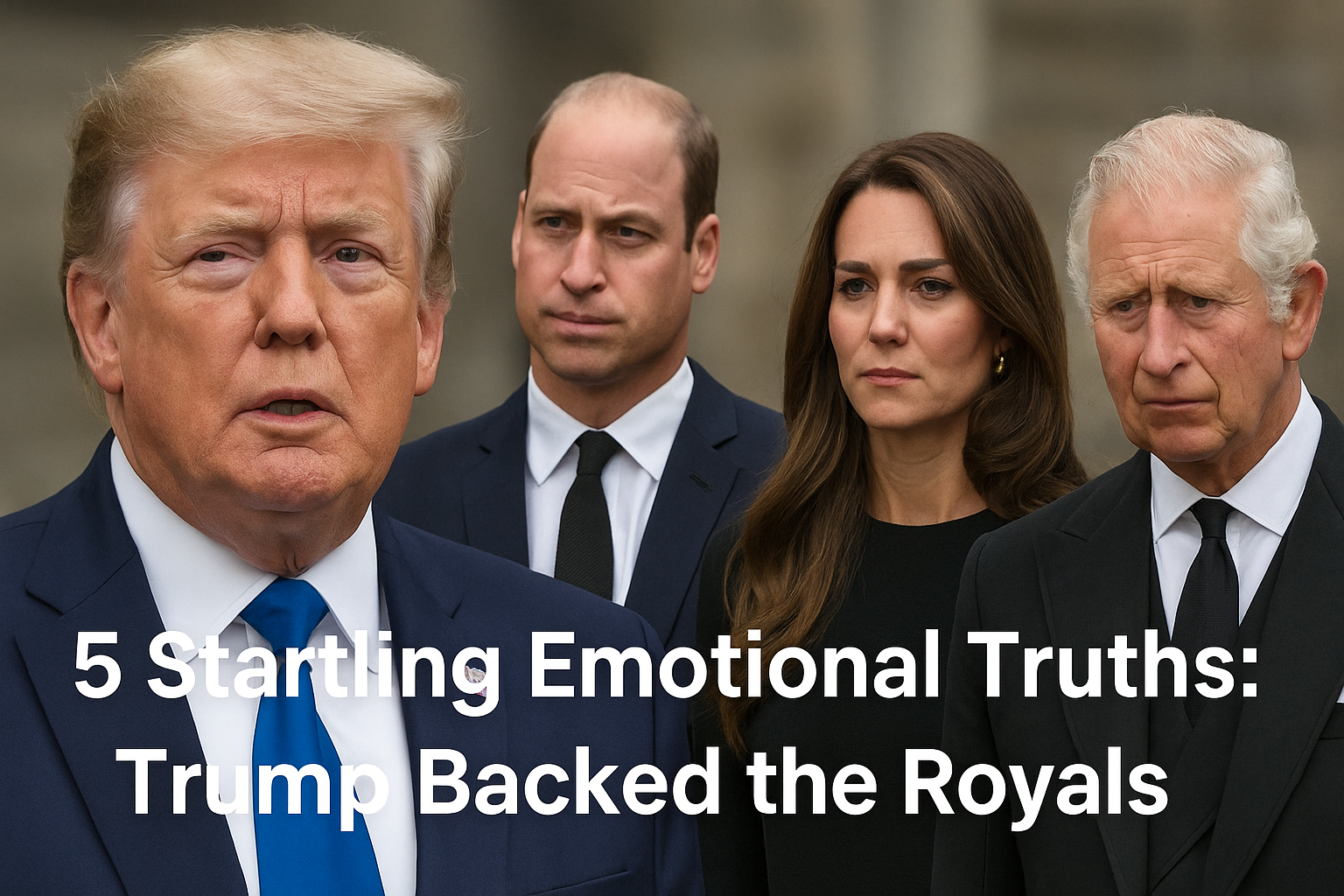
5 Startling Emotional Truths: Trump Backed the Royals
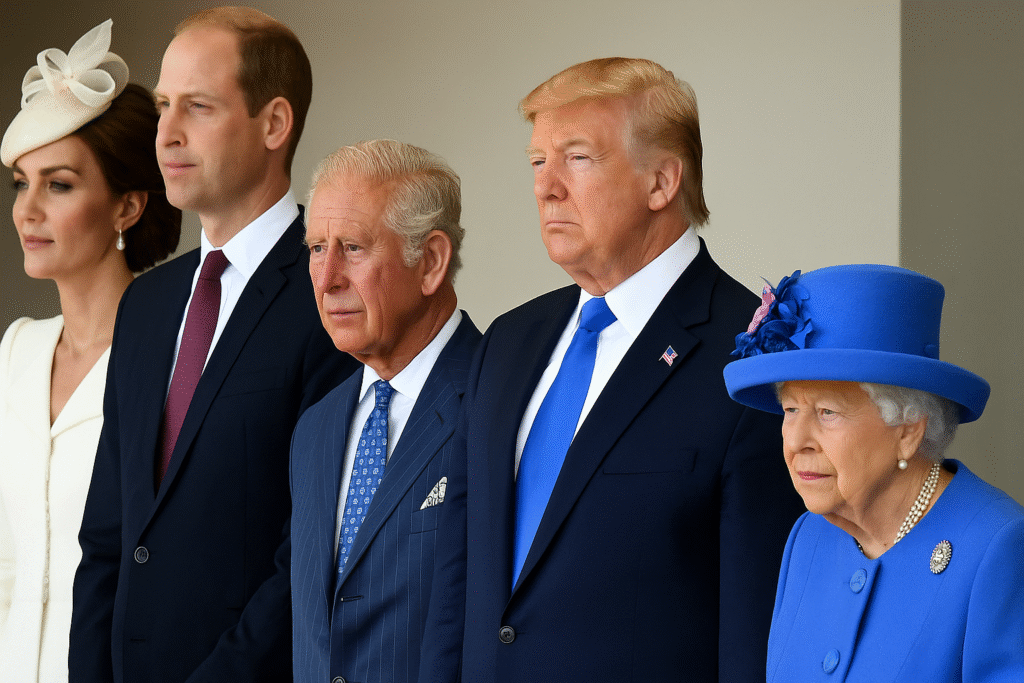
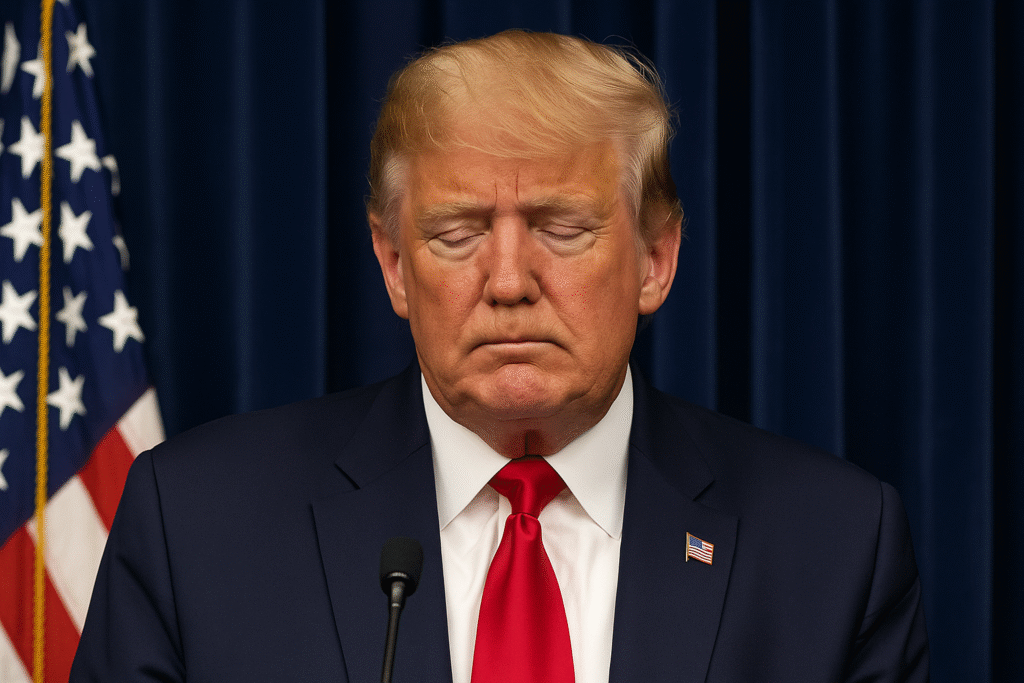
When Trump spoke out about the struggles facing the British royal family, the world took notice. His remarks were unexpected, emotional, and deeply human in tone. In an era when diplomacy often hides behind scripted words, his response felt unusually raw. He expressed sympathy toward King Charles III and the royal household, describing their recent controversies as a “terrible thing” and saying he “felt badly for the family.”
That single statement echoed across newsrooms worldwide. Many saw it as a surprising show of empathy, others as a calculated gesture. Either way, it changed the conversation around both Trump and the monarchy. This blog explores five emotional truths that explain why his words matter — and why they continue to resonate.
Trump’s Unexpected Empathy
Trump is known for his boldness and self-assurance, not necessarily for gentle emotion. Yet his words about the royal family revealed a different side. He chose compassion over criticism, calling the situation “tragic” and expressing his sympathy for the family rather than the political entity.
For years, Trump has commented on world leaders, but this moment was different. It was not about policy or power; it was about people. His tone was almost tender, unusual for a figure defined by toughness. That simple emotional shift caught attention because it felt authentic, not rehearsed.
The empathy also reflected an understanding of shared experience. Trump, like the royals, has lived under relentless media scrutiny. He knows what it means to have one’s private life turned into public spectacle. His reaction seemed rooted in that familiarity — a recognition that behind royal crowns and global headlines, real people are enduring public judgment.
The Shift in Global Conversation
Before Trump spoke, discussions about the royal family were dominated by scandal. Prince Andrew’s removal of royal titles had reignited public anger. The monarchy faced accusations of privilege, secrecy, and hypocrisy. Then came Trump’s emotional statement, which unexpectedly changed the tone.
Media outlets around the world shifted from outrage to reflection. Was this a moment of human vulnerability for the monarchy? Could even one of the world’s most polarizing leaders empathize with their pain? That pivot in tone mattered. It reminded audiences that institutions — even those cloaked in centuries of prestige — are made of people capable of hurt.
This reaction also demonstrated the influence of global voices on British affairs. The monarchy, once insulated within the United Kingdom, now lives under international scrutiny. When Trump speaks, the message travels instantly across borders, affecting how millions perceive the royal family’s crisis.
The Emotional Ripple Effect of Trump’s Words
Although the initial reaction to Trump’s statement was shock, the emotional impact deepened as the story circulated through media channels. His choice of tone triggered waves of commentary that extended far beyond political headlines. Moreover, talk-show hosts, royal experts, and even psychologists analyzed the sincerity of his empathy.
Interestingly, this wasn’t the first time Trump spoke about members of the royal family. Yet this instance felt different. His words were not rooted in opinion or critique; rather, they resembled concern. Consequently, the emotional tone softened public hostility toward the monarchy, if only for a moment.
In addition, readers on social media began to reflect on what leadership means in times of crisis. Could a powerful figure publicly show vulnerability without losing authority? Trump’s gesture suggested yes. It subtly redefined the connection between power and compassion, proving that emotional intelligence could coexist with political strength.
Furthermore, British tabloids, usually critical of outside interference, treated this story with surprising warmth. They quoted Trump’s exact phrases repeatedly, ensuring that sympathy—not scandal—dominated front pages for a few news cycles. This reversal was both rare and revealing, indicating how a single emotional statement can temporarily reshape a nation’s mood.
Emotional Truth 1: Empathy Can Be Strategic
In politics, compassion is rarely accidental. Trump’s empathy may have been genuine, but it also served a purpose. It aligned him with one of the world’s most enduring institutions at a time of turbulence. Standing with the royals allowed him to project strength through solidarity.
It also reinforced his image as a world figure unafraid to voice emotion. The monarchy, under pressure, benefited from that association — a reminder that public support can come from unexpected places. The strategy here was mutual: the royals gained a defender, and Trump gained an image of warmth, even vulnerability, rarely associated with his brand.
Emotional Truth 2: Scandal Breeds Solidarity
Whenever institutions fall under fire, outsiders often rush to defend them. Trump’s words arrived amid intense scrutiny of Prince Andrew’s actions and the monarchy’s internal handling of the matter. His sympathy signaled that scandal doesn’t erase humanity. It was a subtle message to the world: even the powerful deserve compassion.
That truth resonated because audiences crave complexity. They want to see strength mixed with understanding. Trump’s support reminded people that emotional nuance — even from a political heavyweight — can soften the hardest narratives.
Emotional Truth 3: Emotion Outshines Protocol
The British monarchy is built on restraint. Words are weighed carefully; feelings are rarely shown. Yet Trump operates on instinct, not etiquette. His unfiltered emotional tone contrasted sharply with royal formality — and that’s precisely why it worked.
People related to it. His statement didn’t sound rehearsed or polished; it sounded human. It bridged the gap between political theater and emotional honesty. In a time when audiences distrust scripted diplomacy, his approach struck a chord.
Emotional Truth 4: Support Carries Symbolic Power
For a family defined by symbolism, outside support means more than words. When Trump — a former U.S. president — publicly sides with the royals, it adds a layer of global validation. It says: This institution still matters.
At a time when public trust in monarchies and governments is slipping, that kind of external endorsement can stabilize perception. The monarchy depends on the goodwill of its people, and Trump’s sympathy functioned as a soft reminder of its cultural influence beyond Britain’s borders.
Emotional Truth 5: Royal Emotion Goes Global
There was a time when royal scandals remained confined within palace walls. Today, they unfold in real time across continents. Trump’s reaction highlights how royal emotion has become international currency — discussed, debated, and dissected by audiences everywhere.
The moment he spoke, news headlines spanned from New York to New Delhi. His emotional tone became part of a worldwide narrative about grief, redemption, and resilience. The truth is clear: the royals’ challenges are no longer theirs alone. They belong to a global conversation about leadership, reputation, and empathy.
From Political Stage to Emotional Diplomacy
As the conversation evolved, analysts coined a new term to describe Trump’s approach: emotional diplomacy. The phrase refers to using empathy and personal tone to influence international perception. In traditional diplomacy, words are chosen for precision; in emotional diplomacy, they are chosen for resonance.
Therefore, when Trump expressed sympathy for the royal family, it became more than a passing remark—it was a strategic emotional gesture. Because the monarchy embodies both history and heart, any show of feeling toward it carries symbolic weight. Consequently, the public saw Trump not just as a political figure but as a human being engaging with another family under stress.
Moreover, this moment highlighted how empathy functions as a soft-power tool. While political negotiations often divide, emotion connects. By recognizing shared humanity, Trump inadvertently reminded people of the emotional threads that bind societies together, regardless of hierarchy.
However, not everyone viewed this shift positively. Some commentators warned that too much emotional diplomacy can blur the line between authenticity and performance. If compassion becomes a tactic, can it still be trusted? Despite this skepticism, the broader takeaway remained clear: emotion is now an undeniable part of international influence.
The World Reacts
The reactions to Trump’s statement were as divided as the man himself. Some praised his humanity, calling his words a rare moment of grace. Others questioned his sincerity, pointing to his own controversial history. Yet no one ignored him.
Royal commentators noted that the monarchy, already vulnerable, might welcome such sympathy, even from an unlikely source. Political analysts suggested that Trump understands the value of soft diplomacy — the emotional kind that wins hearts rather than headlines.
Regardless of interpretation, his comments achieved what few statements do: they reignited empathy in a debate dominated by judgment. That shift alone made the moment historically significant.
Public Perception and Media Transformation
In the weeks that followed Trump’s remarks, public perception of both him and the royal family underwent subtle change. Polls in the U.S. and U.K. showed a slight rise in sympathy for the monarchy, particularly among younger readers who typically view royal issues with detachment. Therefore, it was evident that emotional storytelling still works—even in a skeptical generation.
Meanwhile, major news platforms used the story to examine how fame, politics, and royalty intersect in the modern world. CNN, BBC, and Sky News each ran analytical segments dissecting why Trump’s tone mattered more than his words. As a result, a broader conversation began about the importance of emotion in leadership communications.
Additionally, social-media influencers amplified the topic. They posted short clips, reaction videos, and polls asking followers if Trump had changed their opinion about the royals. Consequently, the discussion expanded beyond traditional political audiences and entered the world of digital culture, memes, and viral debates.
Therefore, this shift proved that emotional resonance travels faster and farther than facts alone. When feelings are involved, engagement multiplies. For the royal household, that meant unexpected empathy replacing criticism—at least temporarily.
Why Trump’s Support Matters
The royal family’s reputation depends heavily on public emotion. Each wave of criticism, each scandal, tests the institution’s resilience. Support from global figures like Trump serves as emotional ballast—a counterweight to negativity.
It also reinforces a timeless truth: empathy can be contagious. When a leader known for toughness displays compassion, others reconsider their stance. People who might have mocked the royals instead paused to reflect—that subtle change in sentiment matters in shaping long-term public opinion.
Moreover, Trump’s words hinted at a broader message about leadership itself. Actual power, he seemed to imply, includes the ability to understand suffering — even that of others who live under a different crown.
The Hidden Lessons for Modern Leadership
Before readers move to the final reflections, it’s worth pausing to explore what modern leaders can learn from this moment. In the age of constant scrutiny, leaders are often judged not only for what they achieve but for how they make people feel. Trump’s statement, though brief, revealed five important leadership insights worth examining.
First, transparency of emotion can strengthen credibility. When leaders hide behind rigid formality, they appear detached. Trump showed that honesty—even in the form of sympathy—can capture global attention more effectively than a polished press release.
Second, empathy can reset public mood. At a time when the monarchy faced negativity, Trump’s support created a pause in the storm. Therefore, emotional gestures should not be underestimated as tools for crisis recovery.
Third, tone shapes trust. Words may inform, but tone persuades. Trump’s calm yet compassionate delivery built a momentary bridge between political divides.
Fourth, timing magnifies meaning. His comments landed just as headlines peaked, ensuring maximum visibility. Finally, leadership that acknowledges shared humanity transcends borders. By addressing the royals as fellow human beings, Trump reminded the world that empathy is the true language of power.
These lessons illustrate how modern leadership is evolving from authority-driven to emotion-driven. Consequently, the power of connection may become as valuable as policy itself.
Looking Ahead
Will Trump’s emotional defense of the royals heal public divisions or deepen them? That remains to be seen. Some believe it will humanize the monarchy, encouraging open conversations about vulnerability in leadership. Others fear it politicizes a family meant to stay above politics.
What’s certain is that the statement will be remembered. It sits at the crossroads of two worlds — one defined by centuries-old monarchy, the other by modern populism. Together, they created a moment that blended empathy with spectacle, sincerity with symbolism.
As time passes, historians may look back at this as more than a soundbite. It was a brief glimpse into the emotional diplomacy of the 21st century — where compassion, even from unlikely voices, reshapes the narratives of power.
Conclusion
In a single sentence, Trump shifted the emotional landscape surrounding the British royal family. His words revealed five startling truths: empathy can be strategic, scandal can unite, emotion can outshine protocol, support can shape image, and royal sentiment is now global.
What began as a passing remark evolved into a lesson in humanity, communication, and modern leadership. It showed that even those known for dominance can speak with tenderness — and when they do, the world listens.
The royals may continue to face storms, but this moment of support from Trump reminded the world that compassion, even when unexpected, still has the power to move nations.
Final Reflection – The Enduring Echo of Trump’s Empathy
Even as new stories replace old ones, the emotional echo of Trump’s sympathy endures. People continue to reference it whenever royal crises resurface. That endurance proves something vital: when emotion enters history, it stays.
Moreover, this event reminded global audiences that the intersection of politics and empathy can reshape how societies view power. For the monarchy, it reaffirmed that global relevance now depends not only on ceremony but also on connection. For Trump, it added dimension to his image, turning a controversial leader into an occasional source of compassion.
In conclusion, the story stands as a microcosm of our era—where emotional honesty travels faster than political strategy. Therefore, even as debates continue, the five startling truths uncovered through Trump’s gesture remain deeply instructive. They demonstrate that words, when charged with emotion, can move cultures, soften divisions, and redefine leadership for generations to come.
A Universal Reminder of Compassion and Connection
Beyond the politics and royal headlines, this story reveals something timeless about the human condition. Power, reputation, and privilege often draw attention, but emotion draws understanding. When compassion enters public dialogue, it softens even the hardest judgments. It reminds people that behind every title and public role lies a shared desire for dignity and respect.
Moreover, the global conversation surrounding this moment shows how empathy still matters in modern society. Every gesture, whether grand or subtle, has the potential to spark reflection in millions of hearts. It proves that influence is not limited to authority or fame—it also resides in the courage to feel deeply and speak sincerely.
Ultimately, this event became more than a headline; it became a mirror reflecting the universal truth that emotion, when expressed honestly, connects us all. And perhaps that is what audiences needed most—a reminder that understanding, compassion, and grace remain powerful forces capable of uniting people across every border, belief, and crown.
Trump feels ‘very badly’ for British royal family after Prince Andrew was stripped of titles
“Brazil: 5 Remarkably Powerful Royal Moments from Brazil to Edinburgh”